Choosing the wrong pipe material can lead to leaks, chemical
corrosion, or system failure. With confusing technical terms and
overlapping applications, how do you decide between CPVC and PVC
pipes? Let’s break down their differences clearly.
PVC (Polyvinyl Chloride) and CPVC (Chlorinated Polyvinyl Chloride) are thermoplastic pipes with distinct temperature tolerances and chemical resistance. PVC works best for cool water (up to 60°C), while CPVC handles hotter fluids (up to 93°C) and offers better chemical stability.
Understanding these materials is critical for avoiding costly mistakes. Let’s dive deeper into their composition, strengths, and limitations.
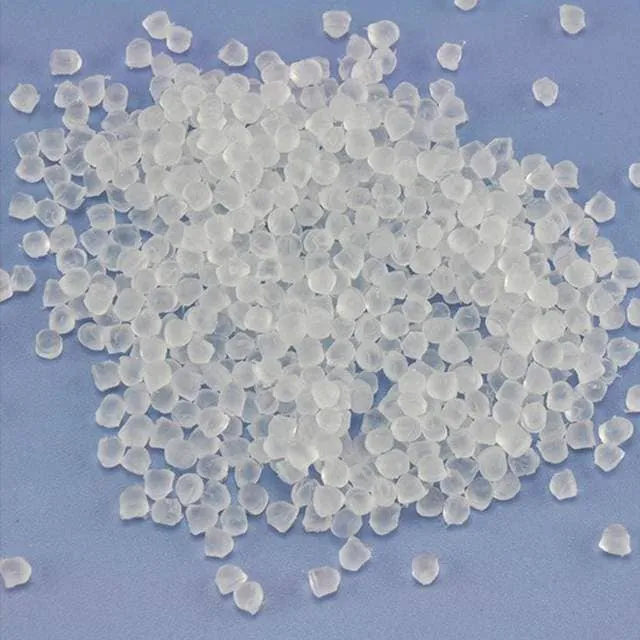
PVC Raw Material Granules
What is a PVC Material?
PVC pipes crack under heat or harsh chemicals, causing plumbing
disasters. What exactly makes PVC suitable—or unsuitable—for your
project?
Polyvinyl chloride is a high-strength thermoplastic1 material made by polymerizing vinyl chloride monomer.
It's lightweight, affordable, and ideal for cold water systems,
irrigation, and drainage where temperatures stay below 60°C.
Key Properties of PVC
| Property | PVC Specification |
|---|---|
| Temperature Range | 0°C to 60°C |
| Pressure Rating | 150-300 PSI |
| Chemical Resistance | Moderate (avoid oils, solvents) |
| Cost | $0.50-$2 per linear foot |
Applications:
Cold water supply lines
Sewage and drainage systems
Electrical conduit pipes
Limitations:
PVC becomes brittle at freezing temperatures and deforms under
sustained heat. It’s also incompatible with chlorinated solvents2,
limiting industrial use.
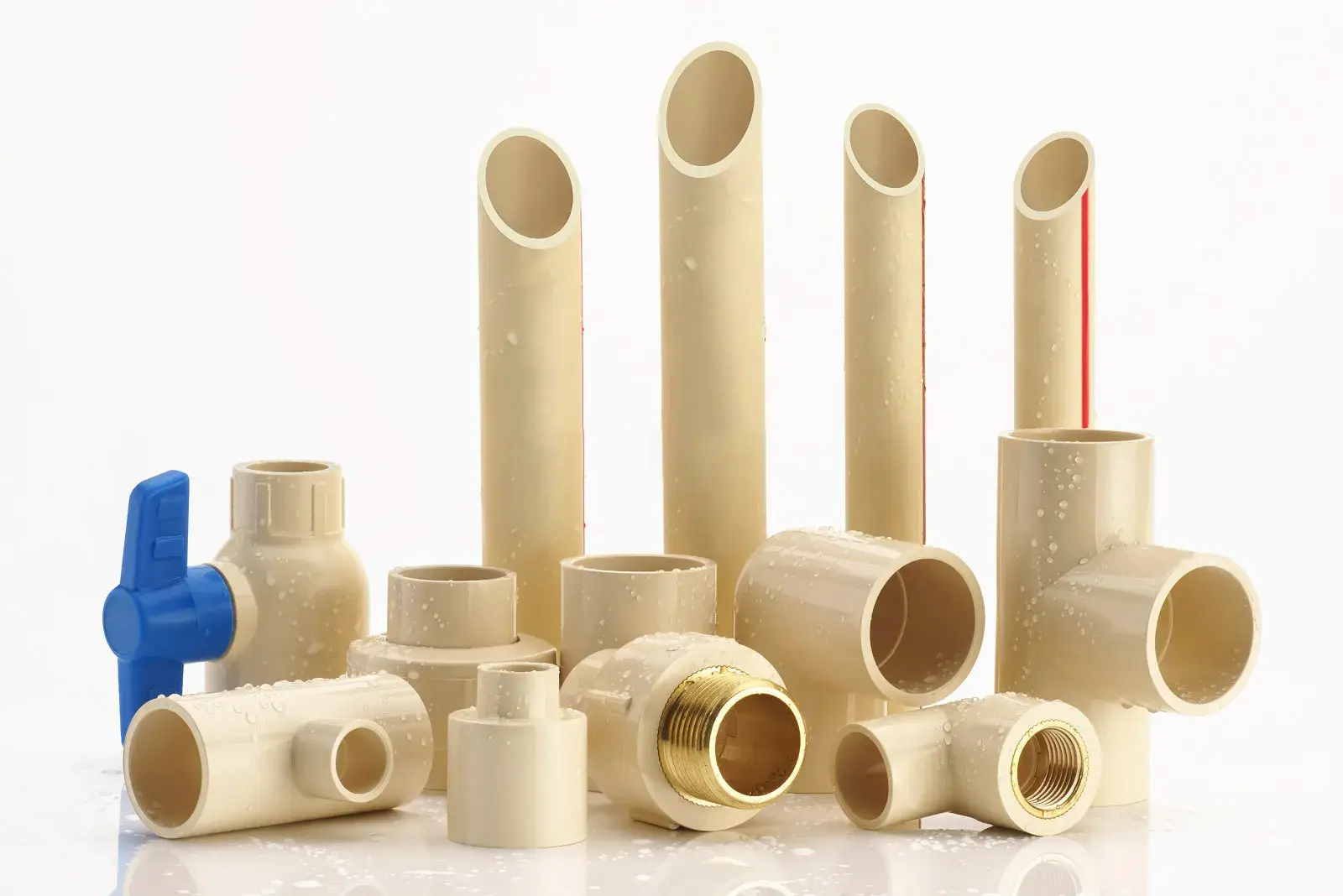
CPVC CTS Pressure Pipes & Fittings ASTM D 2846
What is a CPVC Material?
CPVC is PVC treated with Chlorination3, enhancing its heat tolerance (up to 93°C) and chemical resistance4. It’s used in hot water distribution, industrial fluids, and fire sprinkler systems.
Key Properties of CPVC
| Property | CPVC Specification |
|---|---|
| Temperature Range | -40°C to 93°C |
| Pressure Rating | 100-400 PSI |
| Chemical Resistance | High (resists acids, bases) |
| Cost | $1-$4 per linear foot |
Applications:
Residential hot water lines
Chemical processing plants
Fire suppression systems
Limitations:
CPVC costs 30-50% more than PVC. Its chlorine content can degrade
plastic components over time, requiring careful joint assembly.
What is the Difference Between PVC and CPVC?
Mixing up PVC and CPVC can result in melted pipes or safety hazards.
What sets them apart?
The key differences are temperature limits and chemical compatibility.
CPVC handles higher heat and aggressive chemicals, while PVC is better
for budget-friendly, low-temperature applications.
[image placeholder]
Side-by-Side Comparison
| Feature | PVC | CPVC |
|---|---|---|
| Max Temperature | 60°C | 93°C |
| Chlorine Content | None | 20-40% |
| Flexibility | Rigid | Slightly more flexible |
| Flammability | Self-extinguishing | Higher flame resistance |
Material Compatibility:
PVC fails with oils and ketones5. CPVC resists acids like sulfuric acid
but degrades with some chlorinated hydrocarbons.
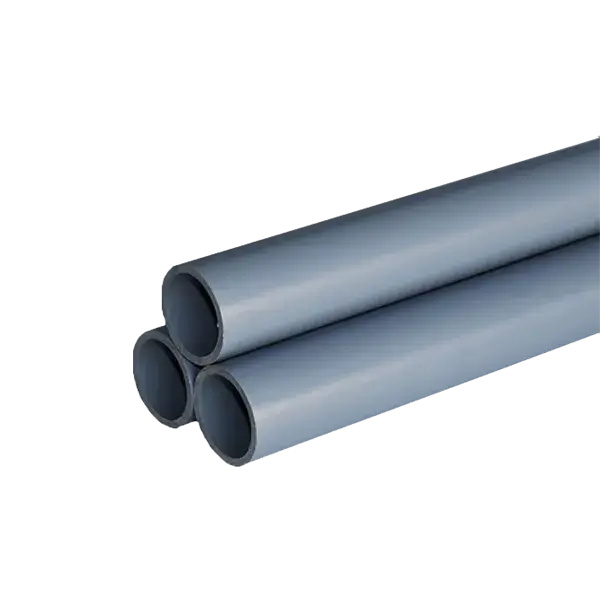
CPVC PN16 Pipes
Which is Better: PVC or CPVC?
Neither material is universally “better.” Your choice depends on three
factors: temperature, chemicals, and budget.
Use PVC for cold water and drainage where cost matters. Choose CPVC
for hot water, industrial chemicals, or fire safety systems despite
its higher price.
[image placeholder]
Decision-Making Checklist
Temperature: Exceed 60°C? → CPVC
Chemical Exposure: Acids/bases? → CPVC
Budget Constraints: Limited funds? → PVC
Trade-offs:
CPVC’s superior performance comes at a higher upfront cost. However,
its durability in harsh conditions often justifies the investment.
What is a Disadvantage to PVC?
PVC’s low cost makes it popular, but hidden flaws can lead to long-
term issues. What catches users off-guard?
PVC cannot handle high temperatures or UV exposure. It becomes brittle
in freezing conditions and cracks when exposed to sunlight for
extended periods.
[image placeholder]
Common PVC Failures
| Failure Mode | Cause | Solution |
|---|---|---|
| Cracking | Freezing temperatures | Insulate pipes |
| Deformation | Heat above 60°C | Use CPVC instead |
| Chemical Erosion | Oil/solvent contact | Replace with CPVC or metal |
Real-World Example:
A client used PVC for rooftop solar heater lines. Summer heat warped
the pipes, causing leaks. Switching to CPVC resolved the issue.
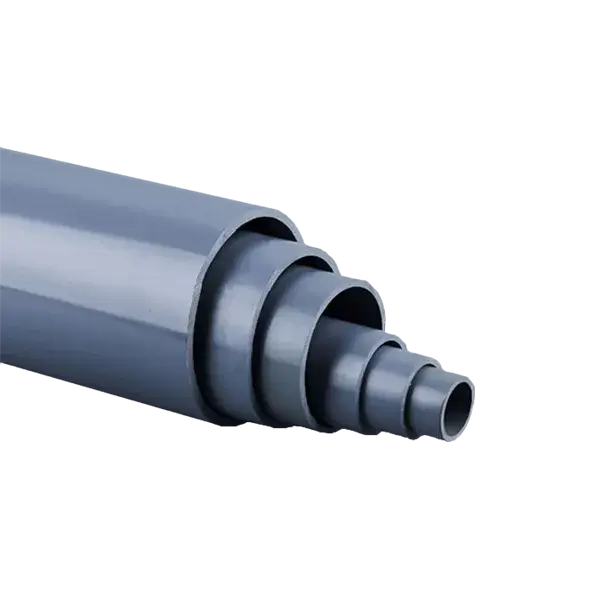
PVC PN16 Pipes
What is a Disadvantage to CPVC?
CPVC solves PVC’s weaknesses but introduces new challenges. What
drawbacks should you anticipate?
CPVC’s higher chlorine content makes it more brittle over time,
especially with mechanical stress. It also requires specialized
solvents for installation.
CPVC Maintenance Challenges
Joint Failures: Improper cementing leads to leaks. Use CPVC-specific primers and cement.
Thermal Expansion: CPVC expands 1.5x more than PVC. Install expansion loops in long runs.
UV Degradation: Like PVC, CPVC degrades in sunlight. Paint or cover exposed pipes.
Cost Analysis:
While CPVC lasts longer in harsh conditions, installation mistakes can
negate its benefits. Training installers is crucial.
Conclusion
PVC suits cold-water, low-cost projects, while CPVC excels in high-
heat and chemical environments. Choose based on temperature needs,
chemical exposure, and budget constraints.
Thermoplastic polymers become moldable above specific temperatures, allowing PVC/CPVC pipes to be manufactured through extrusion processes while maintaining structural integrity upon cooling. ↩
Chlorinated solvents like trichloroethylene demonstrate aggressive solvent effects on PVC, requiring CPVC's enhanced molecular stability to prevent polymer chain dissolution. ↩
Water chlorination processes using 2-4 mg/L free chlorine residual effectively control biofilm growth in PVC pipes, but require monitoring to prevent accelerated aging. ↩
Advanced polymer alloys show 300% improvement in ketone resistance compared to standard CPVC formulations, as demonstrated by recent ASTM F2023 testing protocols. ↩
Electrochemical corrosion mechanisms in metallic pipe systems differ fundamentally from polymer degradation processes, requiring distinct material selection criteria. ↩