Ever wonder why PVC pipes are everywhere—from home plumbing to massive
infrastructure projects? The answer lies in a mix of affordability,
durability, and smart engineering.
PVC pipes are widely used due to their low raw material cost (US$820/ton), aging resistance, corrosion resistance1, and ease of installation. Their smooth inner surface improves liquid flow, making them ideal for many applications.

PVC pipes didn’t just become popular overnight. Their performance
under pressure, resistance to time, and versatility in use made them
the top pick in many industries. Let’s break it down.
What are the advantages of PVC pipes?
PVC pipes offer more than just a low price—they outperform in areas
that matter most on job sites.
PVC pipes are lightweight, resistant to rust and chemicals, easy to
join, and cost-effective, making them a favorite among contractors and engineers worldwide.

Dive Deeper: Why do professionals prefer PVC over other materials?
PVC (polyvinyl chloride) pipes check all the right boxes for most
construction and utility projects. Unlike metal pipes, they don’t
corrode or scale. Their light weight reduces transport and labor
costs, and their long service life reduces maintenance needs. The
smooth inner wall minimizes friction, which increases flow efficiency2 and helps prevent buildup of biofilm or scale—key for water systems. PVC is also adaptable, available in various sizes and pressure ratings3.
| Advantage | Description |
|---|---|
| Low Cost | Lower material and installation costs |
| Corrosion Resistance | Does not rust or react with most chemicals |
| Easy Handling | Lightweight, easy to cut and install |
| Long Life | Often lasts 50+ years under normal conditions |
| Flow Efficiency | Smooth bore ensures low friction loss |
What are the uses of PVC pipes?
PVC pipes are the Swiss Army knife of piping—there’s a size and style
for nearly every job.
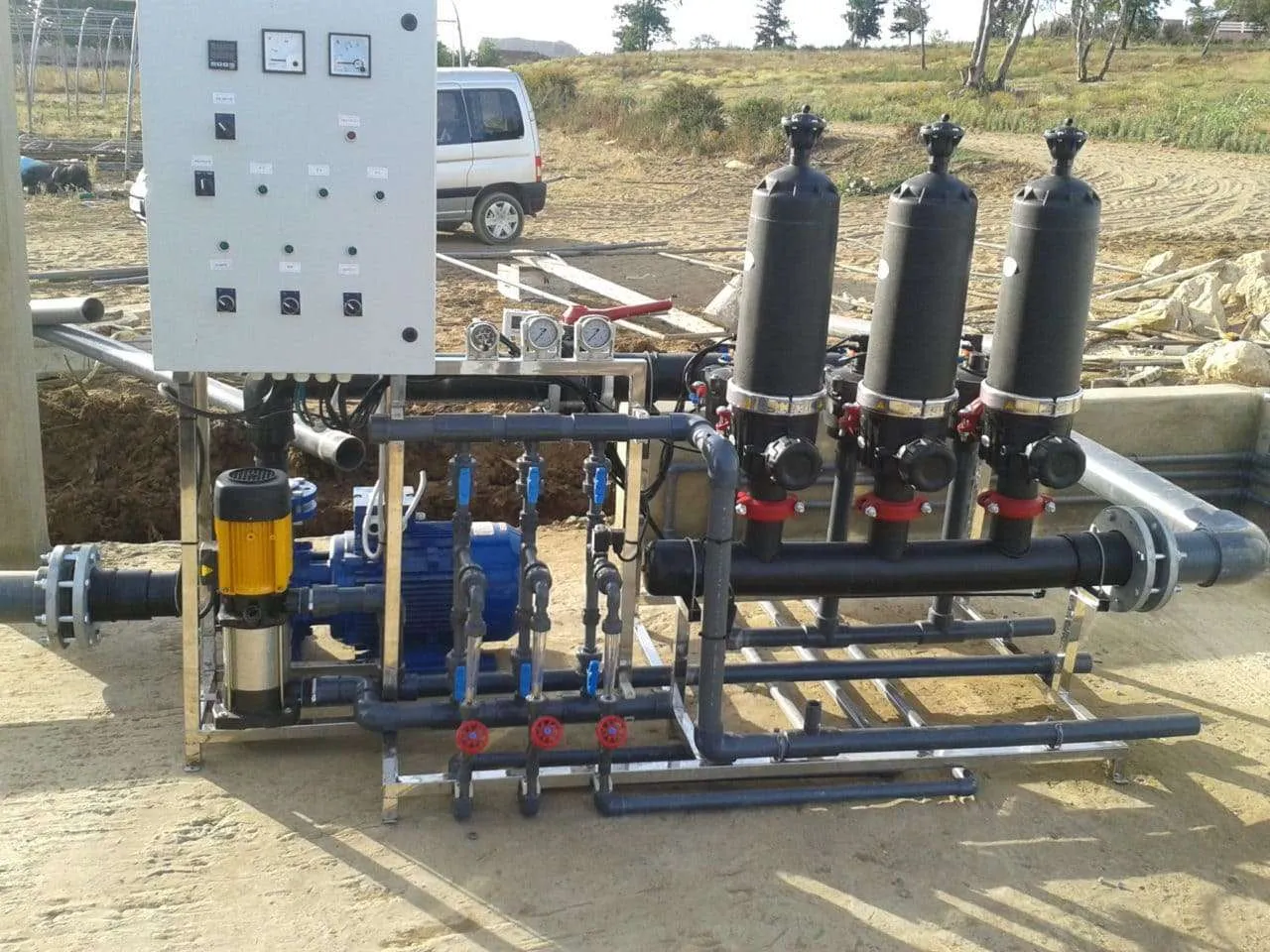
PVC pipes are used in plumbing, drainage, irrigation, cable conduits,
and industrial fluid transport thanks to their versatility and
reliability.
Dive Deeper: Where exactly do we see PVC pipes in action?
PVC pipes are essential in both residential and commercial settings.
They are a go-to solution for water supply lines and drain-waste-vent
systems. In agriculture, they're used for irrigation networks due to
their ability to withstand outdoor conditions. Electricians use them
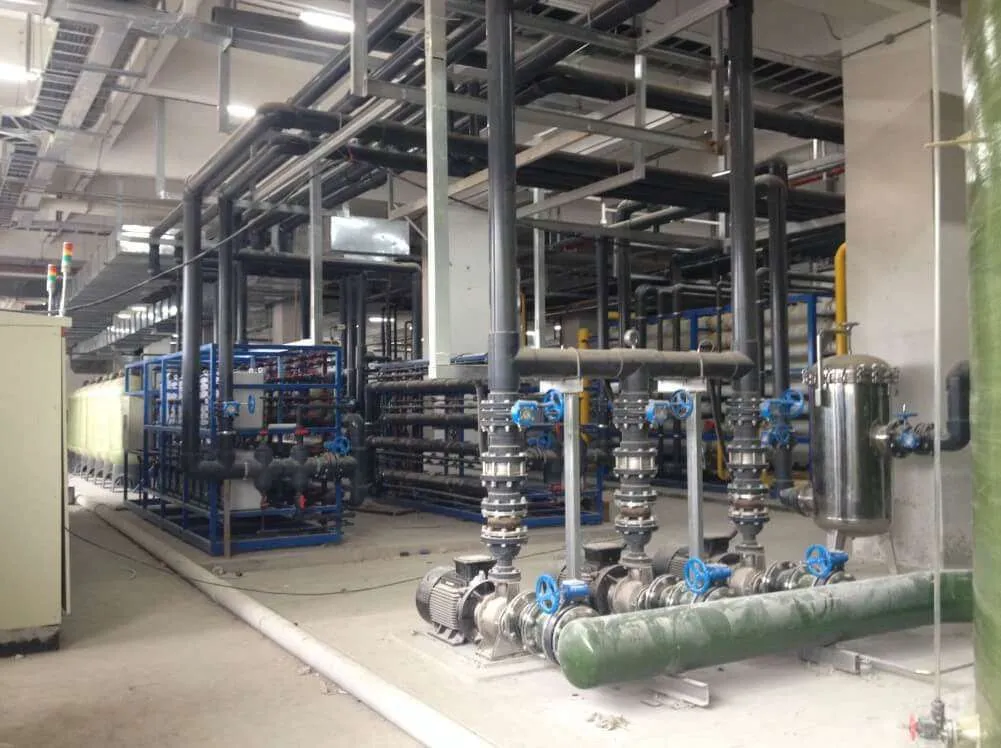
to protect and route wiring in buildings. Industries rely on chemical-
resistant PVC for transporting fluids in processing systems. The
ability to withstand different pressures and temperatures broadens
their applications significantly.
| Application | Reason for Use |
|---|---|
| Water Supply | Corrosion resistance and flow efficiency2 |
| Drainage | Lightweight and easy installation |
| Electrical Conduit | Non-conductive and durable |
| Irrigation | UV-resistant and adaptable |
| Industrial Piping | Chemical resistance and pressure tolerance |
What are the standards for PVC pipes?
Not all PVC pipes are created equal—standards ensure they meet the
job’s demands.
PVC pipes are manufactured under global standards like ASTM, ISO, DIN,
BS, and JIS. These standards define key specs such as pressure class,
dimensions, and material performance.
Dive Deeper: How do standards guarantee performance and compatibility?
Standards make sure PVC pipes are reliable, safe, and interchangeable
across markets. ASTM D1785 is the U.S. reference for PVC pressure
piping. ISO 1452 provides international specifications. DIN 8061/8062
guides German manufacturing. BS 4346 applies to UK fittings for PVC-U
pressure systems. And JIS K6741 and K6742 are the go-to Japanese
standards for both pressure and drainage PVC pipes. These
certifications ensure that users get consistent quality no matter the
region.
| Standard | Governing Body | Focus Area |
|---|---|---|
| ASTM D1785 | ASTM (USA) | PVC pressure pipe specs |
| ISO 1452 | ISO (Global) | Water supply and drainage |
| DIN 8061/62 | DIN (Germany) | Pipe dimensions and tolerances |
| BS 4346 | BSI (UK) | PVC-U fittings for pressure systems |
| JIS K6741/6742 | JSA (Japan) | PVC-U pressure and drainage piping |
Conclusion
PVC pipes earn their popularity through a rare combination of cost-
efficiency, reliability, and adaptability. Whether in homes, farms, or
factories, they get the job done—efficiently and affordably.
Understanding corrosion resistance in PVC pipes can help you appreciate their longevity and reliability in various applications. ↩
Exploring flow efficiency will reveal why PVC pipes are preferred for water systems, enhancing your knowledge of plumbing solutions. ↩ ↩
Learning about pressure ratings is crucial for selecting the right PVC pipes for your projects, ensuring safety and performance. ↩