Plastic valves to Saudi Arabia Saber certification process
Exporting plastic valves to projects like Saudi Arabia’s Saber involves more than just shipping. There are several regulatory and logistical steps, including HS codes1, customs clearance, and specific project requirements.
Understanding the process of exporting plastic valves2 to Saudi Arabia is essential for manufacturers. It involves compliance with regulations, proper classification under HS codes, and ensuring the valves meet the needs of large-scale projects like Saber.Saber certification is a new online application system for customs clearance certificates launched by SASO Saudi Standards Bureau in 2019. It is used for product registration, issuance and acquisition of conformity COC certificates to facilitate Saudi importers to quickly clear customs, etc.

The journey starts with selecting the right valve, followed by understanding the necessary HS codes, documentation, and other logistical requirements for smooth export. Let's break down the process.
What is the Role of HS Codes in Exporting Plastic Valves?
HS codes are crucial for international trade. They classify products and determine the applicable tariffs and regulations for shipping. For plastic valves being exported to Saudi Arabia, the correct HS code ensures compliance and smooth customs clearance.
HS codes help streamline the shipping process by ensuring that the correct tariffs and taxes are applied. The right HS code also avoids delays and potential issues during customs clearance.

Why are HS Codes Important in International Trade?
HS codes categorize products based on their materials, function, and application. For plastic valves, choosing the correct HS code is essential to avoid complications.
| Product Category | HS Code Range | Description |
|---|---|---|
| Plastic Valves | 3917, 8481 | Valves made from plastics, for industrial use |
| PVC Valves | 3917.22.00 | Valves made specifically from PVC |
For valves, getting the right HS code ensures they are processed correctly at customs, preventing delays.
The Process of Exporting Plastic Valves to Saudi Arabia
When exporting plastic valves to Saudi Arabia, there are specific steps that must be followed. This includes understanding Saudi Arabia’s import regulations3, classifying the valves correctly, and ensuring they meet the standards required for large-scale industrial projects like Saber.
From understanding Saudi Arabia’s import tariffs to ensuring compliance with local standards, every step in the export process is critical for smooth delivery.
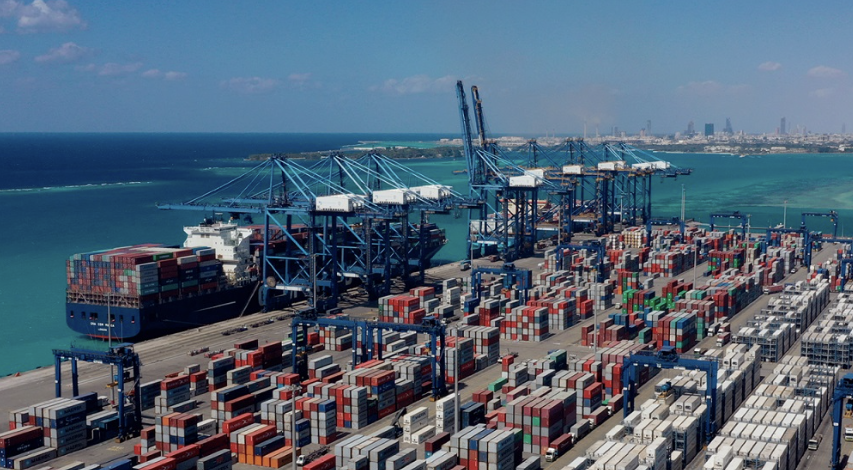
Key Steps in the Export Process
| Step | Description |
|---|---|
| Product Classification | Ensure the correct HS code is applied |
| Documentation | Prepare the required export documents |
| Customs Clearance | Ensure compliance with Saudi Arabia’s customs regulations |
| Tariffs & Duties | Confirm the correct tariff rates for the product |
| Final Inspection | Conduct a quality check to meet Saudi standards |
Each of these steps helps ensure that the export of plastic valves to Saudi Arabia is smooth and timely, especially when they are intended for high-profile projects like Saber.
How to Ensure Compliance with Saudi Regulations
Saudi Arabia has strict standards when it comes to imports, especially for industrial projects like the Saber project. It's essential to understand the local requirements for quality, safety, and certifications.
Compliance with Saudi Arabia’s regulations ensures that the valves can be used safely in large industrial projects like Saber. Failure to meet these standards could result in delays or penalties.
Saudi Arabia’s Regulatory Requirements
To ensure compliance, manufacturers must adhere to specific product standards, which can vary by type of valve and material used. Here’s an overview:
| Requirement | Description |
|---|---|
| Quality Certifications | Ensure the valve meets Saudi standards |
| Safety Standards | Ensure the valve meets safety regulations |
| Environmental Impact | Comply with environmental standards |
By ensuring that each valve meets these standards, manufacturers can prevent setbacks and ensure smooth delivery to Saudi projects.
My Insights on Exporting to Saudi Arabia
From my experience, navigating the process of exporting plastic valves to Saudi Arabia requires a keen understanding of both technical and regulatory factors. It's not just about making the right product but also about ensuring the right documentation, compliance, and logistics.
I’ve worked with several manufacturers on this journey. The most crucial step I’ve found is ensuring that all documentation is clear and up-to-date. This can often make or break the process, especially when dealing with large, complex projects like Saber.
Conclusion
Exporting plastic valves to Saudi Arabia for projects like Saber is a multi-step process that includes understanding HS codes, complying with local regulations, and ensuring quality standards. By following the correct procedures, manufacturers can ensure smooth delivery and successful participation in large-scale industrial projects.
Understanding HS codes is crucial for compliance and smooth customs clearance in international trade, especially for exporting plastic valves. ↩
Exploring the export process for plastic valves can help manufacturers navigate regulations and ensure successful delivery to projects like Saber. ↩
Familiarizing yourself with Saudi Arabia's import regulations is essential for compliance and avoiding delays in the export process. ↩