Understanding pressure units is essential when selecting plastic pipe systems such as PVC, CPVC, HDPE, and irrigation pipelines. In real engineering applications, pressure is not just a number—it determines safety, durability, and system performance.
This guide explains pressure unit conversion (Bar, PSI, MPa, KPa, kg/cm²) and also helps you choose the correct pipe pressure rating such as PN10, PN16, and SCH40/SCH80 systems.
Pressure Unit Conversion Table: KPa, MPa, Bar, PSI and kg/cm²
Below is a quick reference for common pressure unit conversions used in plumbing and irrigation systems:
- 1 Bar = 100 KPa = 0.1 MPa
- 1 Bar ≈ 14.5 PSI
- 1 kg/cm² ≈ 0.98 Bar
- 1 MPa = 10 Bar
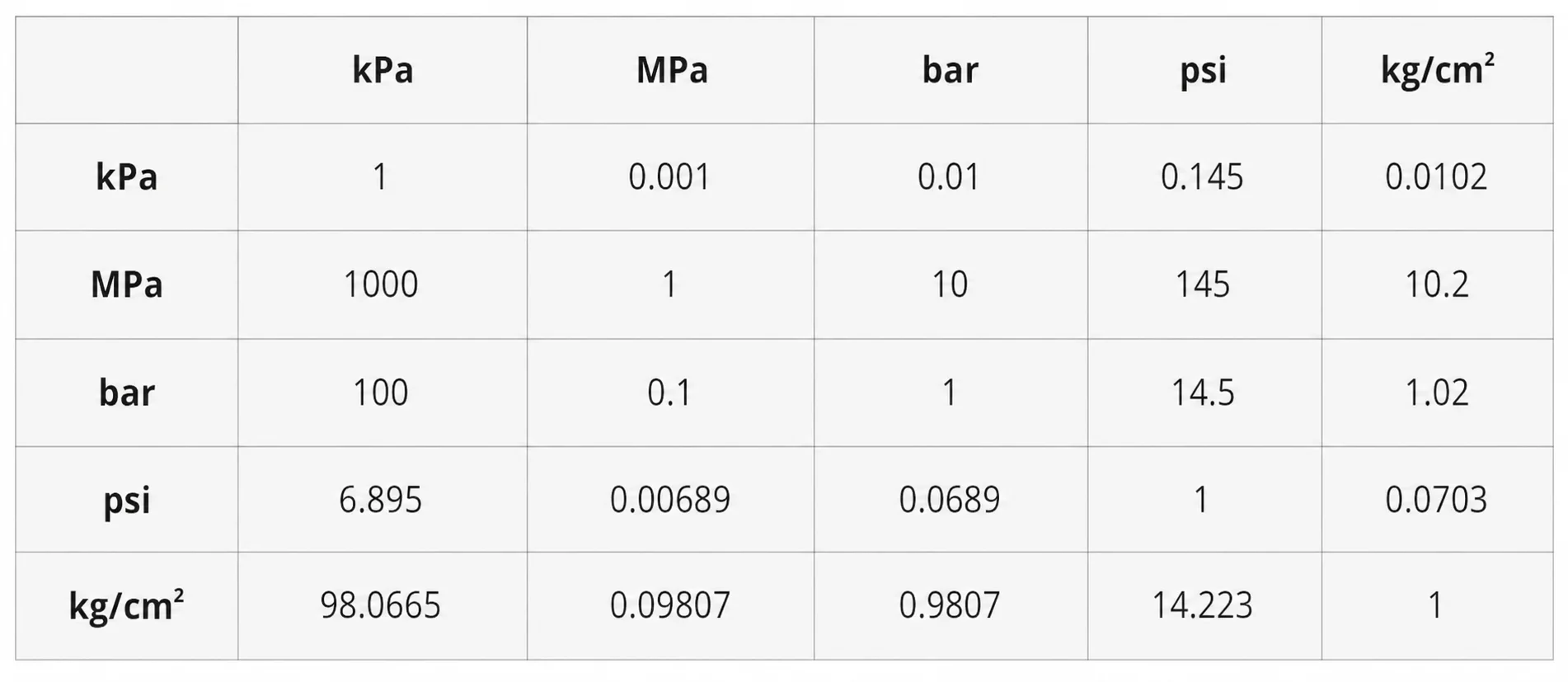
These conversions are widely used in:
- PVC pipe systems
- Agricultural irrigation systems
- Water supply pipelines
- Industrial fluid transportation
👉 In most engineering projects, these units are directly related to pipe pressure ratings such as PN10 and PN16.
What Does PN10 and PN16 Mean in Plastic Pipe Systems?
PN (Pressure Nominal) indicates the maximum pressure a pipe or fitting can withstand at 20°C.
- PN10 = 10 bar working pressure
- PN16 = 16 bar working pressure
In plastic piping systems:
- PVC pipes & fittings commonly use PN10 / PN16
- CPVC systems may handle higher temperatures
- HDPE systems use SDR ratings instead of PN1
👉 Learn more about our products:
How to Convert Bar to PSI for Plumbing and Irrigation Projects
In real-world projects, engineers often convert pressure units when selecting pumps or designing systems.
Basic conversion:
- 1 Bar ≈ 14.5 PSI
Example:
- PN16 system = 16 Bar ≈ 232 PSI
This is commonly used in:
- Agricultural irrigation systems
- Pump station design
- Water distribution networks
👉 Recommended product systems:
How Pressure Rating Affects PVC, CPVC and HDPE Pipe Selection
Pressure rating is not just about “strength”—it is affected by:
1. Temperature
Higher temperature reduces pipe pressure resistance.
2. Material type
- PVC: PN10 / PN16 systems (cold water)
- CPVC: higher temperature resistance
- HDPE: flexible, used in SDR systems
3. Wall thickness
- SCH40 / SCH80 for industrial applications2
- SDR rating for HDPE systems
👉 Related product pages:
Common Mistakes When Choosing Pipe Pressure Ratings
Many buyers make critical mistakes when selecting pipe systems:
1. Only checking PN rating
Ignoring temperature and chemical conditions.
2. Using PVC in high-temperature systems
PVC softens under heat and loses pressure capacity.
3. Ignoring water hammer pressure3
Sudden pressure spikes can exceed rated limits.
4. Mixing different standard systems
Confusing PN, SCH, and SDR systems leads to system failure.
Recommended Products for PN10, PN16 and SCH80 Systems
To ensure safe and reliable piping systems, choose the correct product grade:
🔹 PN10 Systems
- Low-pressure irrigation systems
- Drip irrigation networks
👉 Products:
🔹 PN16 Systems
- Main water supply lines
- Agricultural irrigation pumps
👉 Products:
🔹 SCH80 / High-Pressure Systems
- Industrial applications
- Chemical fluid transport
👉 Products:
Applications of Pressure Systems
PVC and CPVC pressure systems are widely used in:
- 🌱 Agricultural irrigation (drip & sprinkler systems)
- 💧 Water supply and distribution networks
- 🏊 Swimming pool systems
- 🧪 Industrial chemical pipelines
- 🏭 Water treatment plants
Final Summary
Pressure unit conversion is important, but in real engineering projects, it directly connects to pipe selection, safety design, and product purchasing decisions.
Instead of only converting units, engineers should focus on:
- Correct pressure rating (PN10 / PN16 / SCH80)
- Material compatibility (PVC / CPVC / HDPE)
- Application environment
👉 Choosing the right system ensures longer service life and safer pipeline performance.
"What is Pipe SDR - AGRU America", https://agruamerica.com/what-is-pipe-sdr/. HDPE piping systems are commonly specified using the Standard Dimension Ratio (SDR) system as defined in standards such as ISO 4427 and ASTM D3035, where SDR relates pipe diameter to wall thickness and correlates to pressure rating. Evidence role: general_support; source type: institution. Supports: the use of SDR rating system for HDPE pipes. Scope note: Some regions or applications may use PN ratings for HDPE pipes alongside or instead of SDR ↩
"[PDF] ASME B31.3 Process Piping Guide - LANL Engineering Standards", https://engstandards.lanl.gov/esm/pressure_safety/Section%20REF-3-R0.pdf. The Schedule system (SCH40, SCH80, etc.) is defined in ASME B36.10M and related ASTM standards, specifying standardized wall thicknesses for pipes, with higher schedule numbers indicating thicker walls suitable for higher pressure applications. Evidence role: definition; source type: institution. Supports: the use of Schedule 40 and Schedule 80 designations for industrial piping. ↩
"Hydraulic shock - Wikipedia", https://en.wikipedia.org/wiki/Hydraulic_shock. Water hammer, or hydraulic shock, occurs when fluid flow is suddenly stopped or changed direction, creating pressure waves that can produce transient pressures several times higher than normal operating pressure, as described in fluid mechanics textbooks and standards like ASME B31.1. Evidence role: mechanism; source type: education. Supports: the occurrence of pressure spikes from water hammer in piping systems. ↩