Why choose PP ball valve?
PP ball valves have become a preferred solution across various industries where corrosion resistance, cost control, and clean operation are essential. Choosing the right valve directly impacts system efficiency and service life.
Polypropylene (PP) ball valves offer high chemical resistance, low weight, and non-toxic performance, making them suitable for water, chemical, and air distribution systems in industrial and commercial applications. 1

PP valves present a balance between durability and cost, which positions them as a dependable component in projects requiring clean fluid transfer. Their advantages become more evident in environments exposed to corrosive substances or temperature variations.
Why are PP ball valves chemically stable?
PP ball valves resist aggressive chemicals, which makes them ideal for systems exposed to acids, bases, and organic solvents.
The non-polar molecular structure of polypropylene prevents chemical bonding with reactive agents, ensuring the valve body remains intact in harsh chemical environments. 1
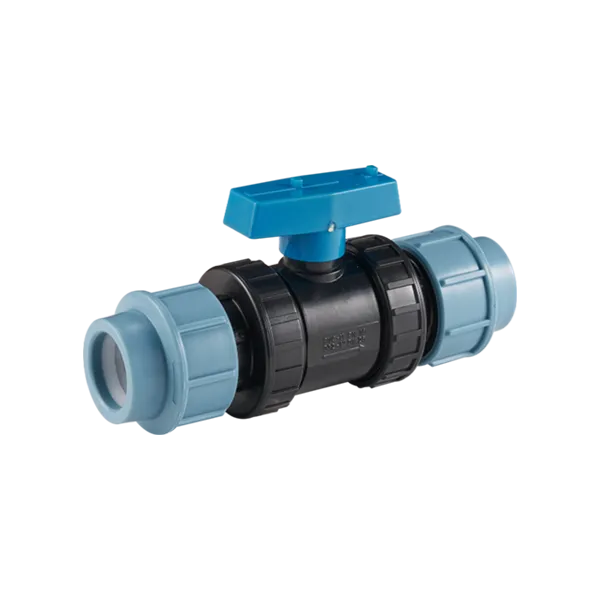
Chemical Resistance Analysis
PP has inherent stability against a wide range of chemicals. This includes oxidizing agents, dilute acids, and bases. Because PP is a thermoplastic with a tightly packed structure, chemical penetration is minimal. For this reason, PP ball valves are commonly found in acid dosing systems, fertilizer lines, and drainage setups. The resistance data below outlines a typical use profile:
| Chemical Type | Resistance Rating | Suitable for PP Ball Valves |
|---|---|---|
| Hydrochloric Acid | Excellent | Yes |
| Sodium Hydroxide | Excellent | Yes |
| Acetic Acid | Good | Yes |
| Aromatic Hydrocarbons | Poor | No |
How do PP ball valves reduce installation costs?
PP ball valves are lightweight and weldable, which lowers transportation and installation labor costs.
These valves can be installed without heavy lifting tools and are compatible with socket fusion or threaded joints, making on-site work faster and simpler. 2
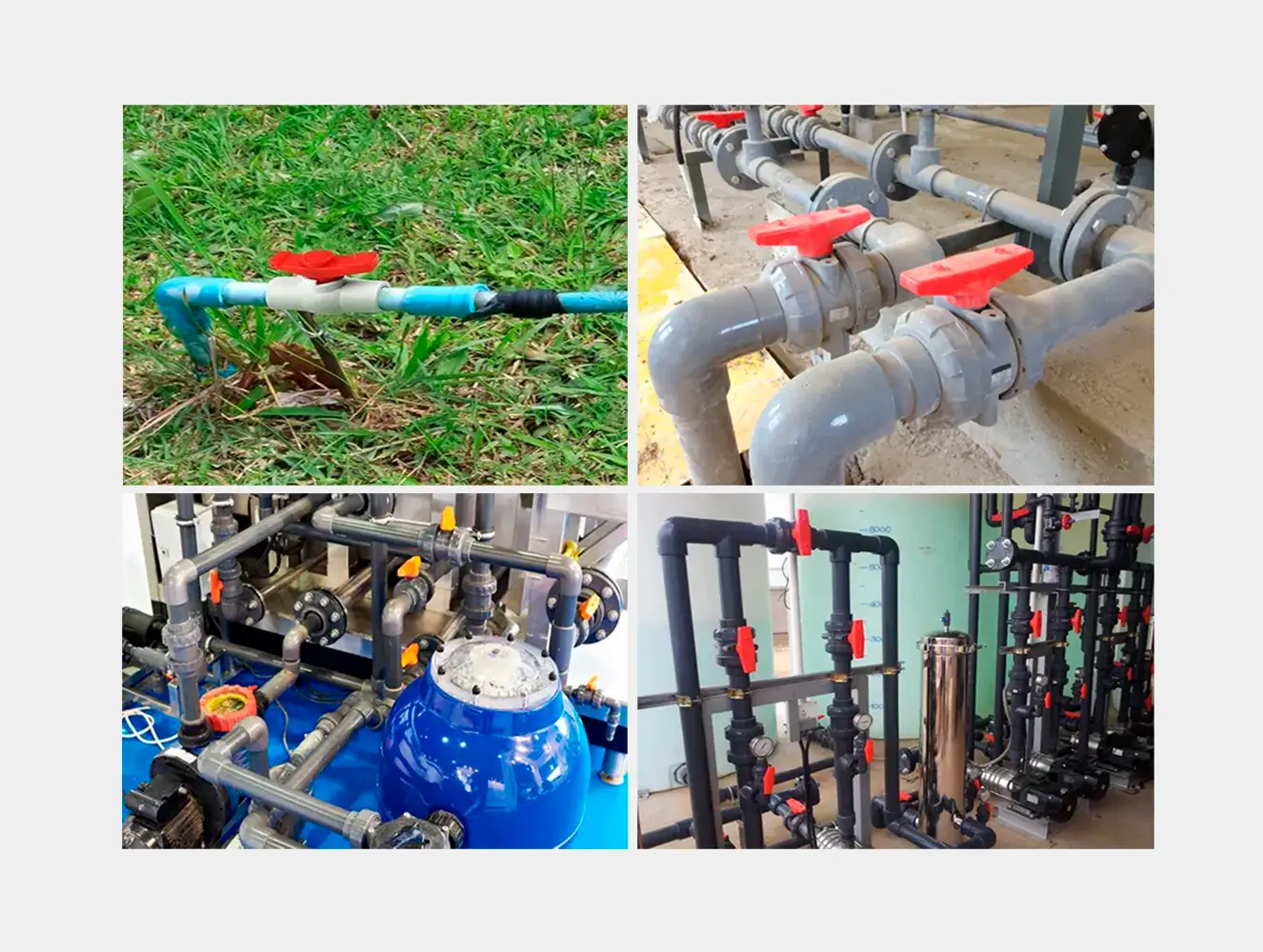
Installation Efficiency
Unlike metal valves that require support structures, PP ball valves can be installed using manual labor alone. The installation time for thermoplastic pipelines is up to 50% shorter than that for steel. In irrigation projects, this efficiency reduces deployment timelines and labor costs. Compatibility with polyethylene (PE) and PPR fittings also improves integration. In environments with limited space, the compact dimensions of PP valves support flexible configurations without compromising flow control.
Can PP ball valves ensure safety in water systems?
Yes. PP is a food-grade material certified for use in potable water and food processing systems.
PP valves meet international standards such as NSF/ANSI 61 for drinking water safety and are free from heavy metals and toxic leachates. 3
Non-Toxic Material Behavior
PP does not release any harmful substances into the fluid flow. Its low surface energy prevents microbial growth and deposit accumulation. In domestic plumbing and municipal distribution systems, this improves water taste and purity. In food and beverage applications, valves made of PP are used for liquid transfers such as dairy, brewing, and syrup dosing. Since polypropylene can withstand continuous exposure to water at temperatures up to 80°C, it serves both cold and warm water systems. The risk of cross-contamination or taste alteration remains negligible.
Where are PP ball valves most commonly used?
These valves are found in agriculture, water treatment, HVAC systems, laboratories, and electroplating industries.
The wide usability of PP ball valves comes from their performance under low to medium pressure, chemical compatibility, and ease of maintenance. 4
Application Areas
PP ball valves offer flexibility across many installations:
- In agriculture, they regulate flow in sprinkler and drip irrigation.
- In water treatment plants, they control chemical dosing lines.
- In HVAC systems, they provide shutoff control for chilled and heated water loops.
- In laboratories, they allow precise handling of neutral and corrosive fluids.
- In electroplating systems, they handle acid lines and recovery flows.
The common factor across these sectors is the demand for a valve that operates reliably in chemically aggressive or thermally fluctuating environments.
What design features improve the reliability of PP ball valves?
Key features include a full-port design, low torque operation, and replaceable seats.
PP ball valves feature precision-machined balls, corrosion-resistant seats, and manual or actuator-ready handles, which ensure consistent sealing and long cycle life. 4

Internal Construction
The internal ball of the valve rotates freely inside a precision seat made from PTFE or elastomers. This design ensures that the flow path is unobstructed and pressure loss remains low. The valve stem is isolated from fluid contact, which prevents internal corrosion or sticking. Most PP valves also allow for disassembly, so seats and seals can be replaced during routine maintenance. Some models feature double O-rings for leak prevention in high-frequency use. Their compatibility with actuators also makes them suitable for remote or automated systems.
My insights
In my past projects involving chemical dosing and wastewater recovery systems, I consistently choose PP ball valves for their reliability and cost-effectiveness. They provide peace of mind when corrosion and weight are risk factors. Compared to metal or even PVC valves, PP valves offer greater flexibility in piping layout and enable longer periods of uninterrupted operation. I particularly recommend them for temporary installations and projects with stringent chemical exposure requirements.