Are you confused about the difference between UPVC and PVC? Choosing the wrong material can lead to costly system failures. This guide will help you make the right decision.
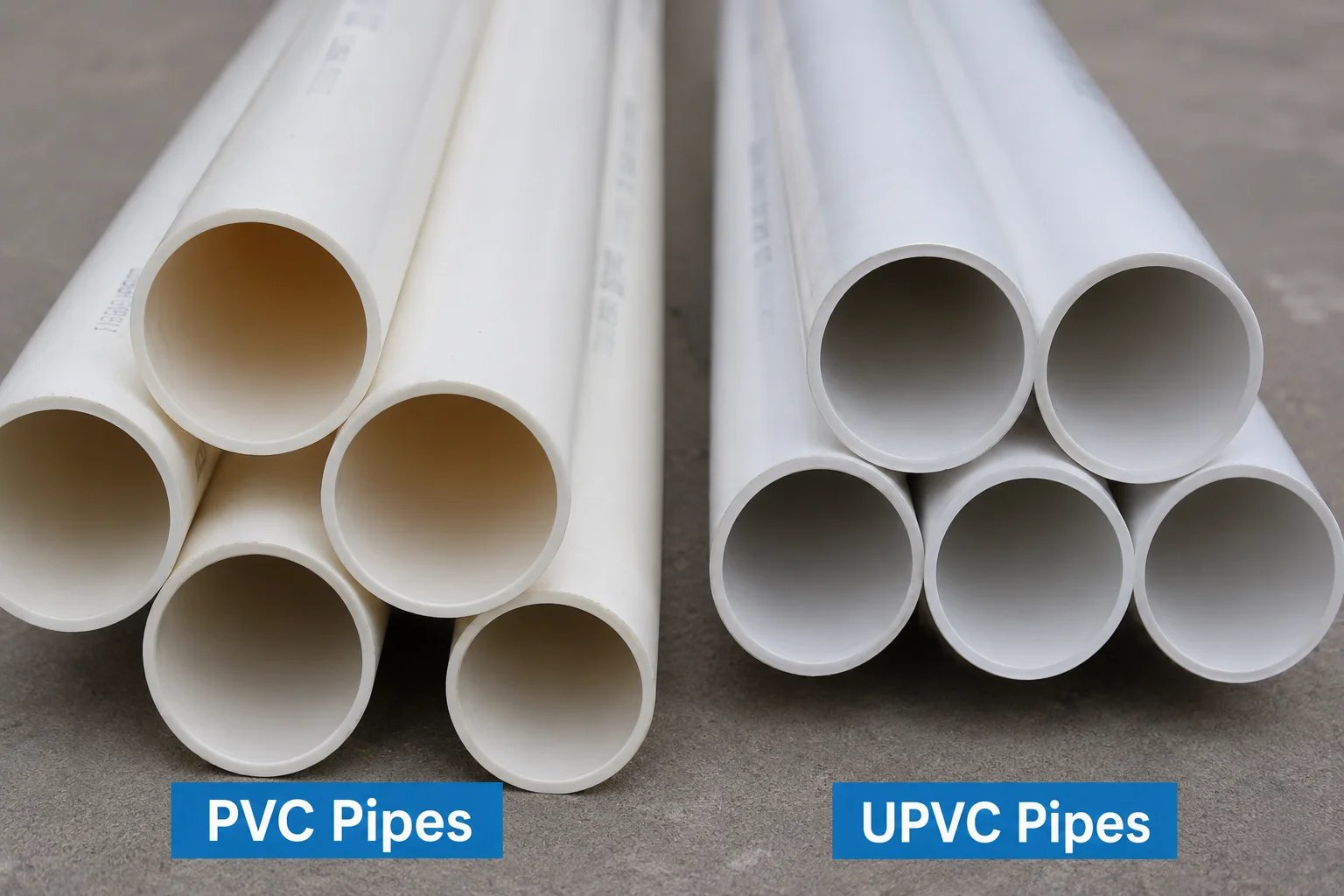
The main difference is that UPVC (Unplasticized Polyvinyl Chloride) is rigid and strong, while standard PVC contains plasticizers, making it flexible1. For industrial pressure pipelines like water mains, UPVC is the correct choice due to its strength and safety for drinking water.
Choosing the right material for your piping system is one of the most critical decisions you'll make. I've been in this industry for over 15 years, and I've seen firsthand how a simple material choice can make or break a project. A solid understanding of the differences between UPVC and PVC is essential for any distributor, engineer, or purchaser. Let's break down the details so you can choose with confidence and avoid expensive mistakes down the line.
What Exactly Sets UPVC and PVC Apart in Terms of Properties?
The similar names often cause confusion for buyers. You might be worried that the material you choose won't have the right properties for your job. Let's clear this up with a direct comparison.
The key difference lies in flexibility and strength. UPVC is rigid, with high tensile strength, making it perfect for pressure pipes. Standard PVC is made flexible with additives called plasticizers. This flexibility makes it unsuitable for most industrial pressure applications where rigidity and strength are critical.
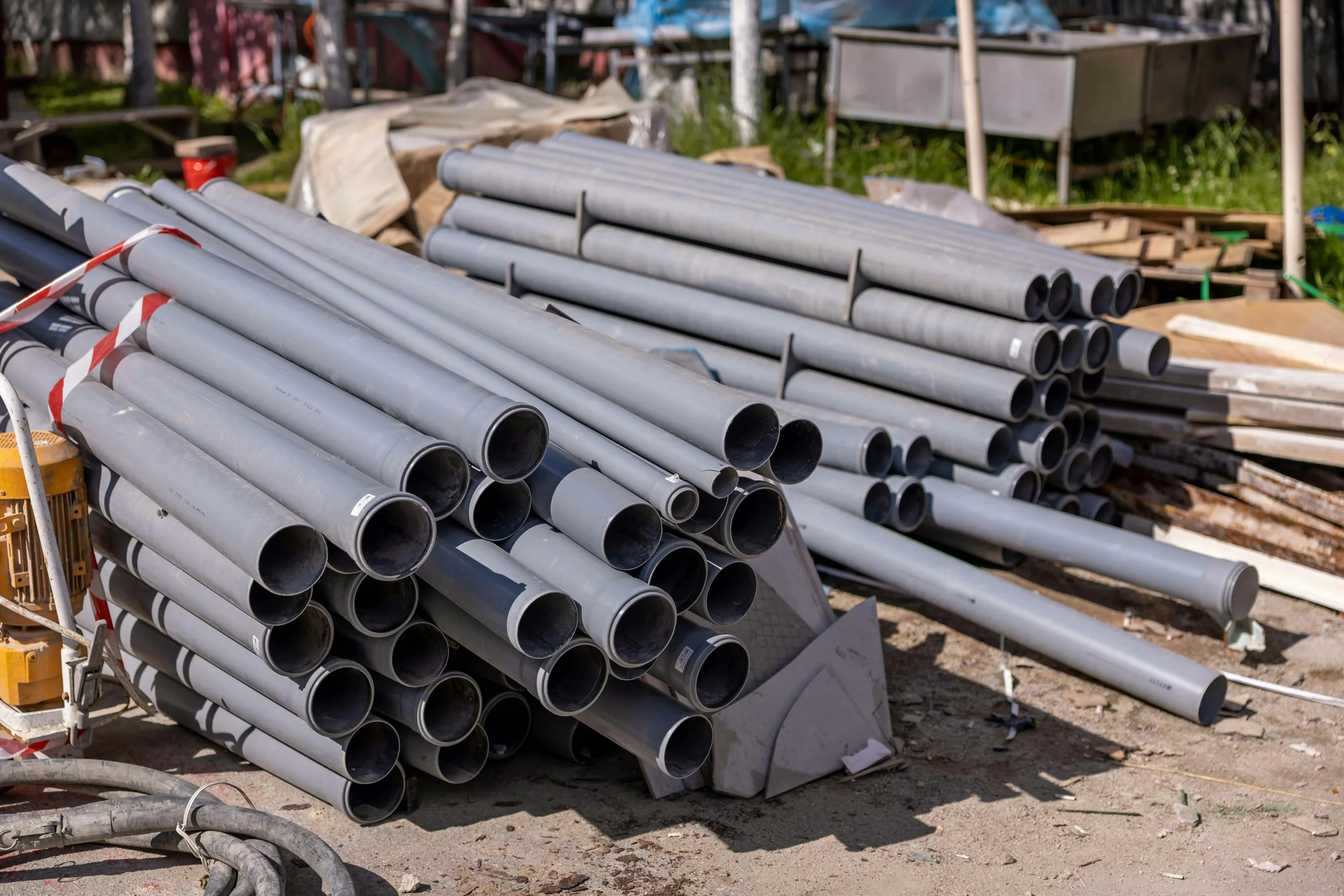
Let's dive deeper into what this means for your project. The difference comes down to a single type of ingredient: plasticizers.
The Role of Plasticizers
Standard PVC contains plasticizing agents, most commonly phthalates2. These chemicals are added during manufacturing to make the material softer and more flexible. This is why you see PVC used for things like electrical cable insulation or flexible garden hoses. However, these plasticizers can leach out over time, especially when exposed to certain chemicals or UV light. This is a major reason why standard flexible PVC is not recommended for transporting potable water3 or sensitive chemicals. At SWD Plastic, all our pressure pipes and fittings are made from UPVC, a material without these additives, ensuring the fluid's purity and the system's integrity. It's a non-negotiable point for us when we talk about quality and safety.
A Head-to-Head Comparison
To make it even clearer, I've put together a simple table. I often show this to clients who are new to plastics. It helps them see the differences at a glance.
| Feature | UPVC (Unplasticized Polyvinyl Chloride) | PVC (Plasticized Polyvinyl Chloride) |
|---|---|---|
| Rigidity | High, very rigid | Low, flexible |
| Strength | High tensile and impact strength | Lower tensile strength |
| Chemical Resistance | Excellent against acids, alkalis, salts | Good, but can be affected by some chemicals |
| UV Resistance | Good, can be stabilized for outdoor use | Poor, degrades in sunlight unless treated |
| Primary Use Case | Pressurized water/waste pipes, window frames | Electrical cable insulation, flexible hoses |
| Potable Water Safety | Widely certified (e.g., NSF) and safe | Not recommended due to plasticizer leaching |
Which Material Is Better for Industrial Applications Like Water Treatment or Chemical Transport?
Choosing the wrong pipe for an industrial line can lead to leaks, contamination, and costly downtime. You might be worried about meeting safety standards and ensuring long-term reliability. So which one is the undisputed champion for industrial use?
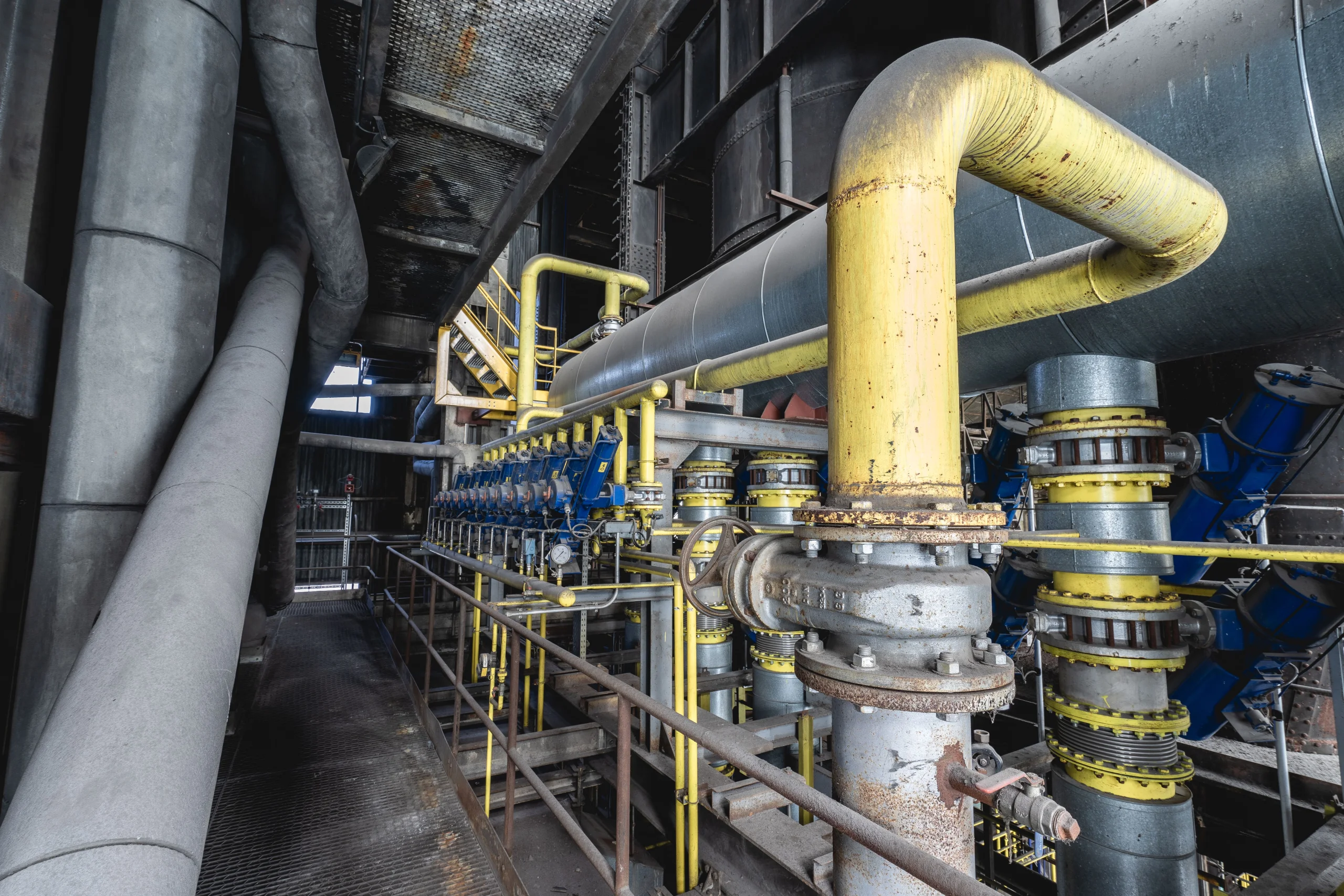
For almost all industrial applications, UPVC is the superior choice. Its high-pressure rating, outstanding chemical resistance, and safety for potable water make it the industry standard for water treatment, agricultural irrigation, and chemical processing plants.
I remember a client in South America who was setting up a new water purification facility. They were considering different materials to keep costs down. We walked them through the benefits of UPVC, and it became clear that it was the only real option for their main process lines.
Why UPVC Excels in Pressurized Systems
The "U" in UPVC stands for unplasticized, and that's its superpower. Without plasticizers, the material is extremely rigid and has high tensile strength. This means it can handle significant internal pressure without warping, stretching, or failing. Our UPVC valves and pipes are manufactured to strict international standards like ANSI and DIN, ensuring they can withstand the pressures required in industrial systems. When an engineer specifies a pressure class, they need to trust that the pipe will perform. With UPVC, that trust is well-placed. This rigidity also means long, straight pipe runs stay straight, which is crucial for efficient flow and system support.
Chemical Resistance in Detail
In a chemical plant or even a sophisticated irrigation system using fertilizers, chemical compatibility is everything. UPVC is inherently inert to a wide range of chemicals, including most acids, alkalis, salts, and oils. This is why it's a go-to material for chemical transport lines. Flexible PVC, on the other hand, can be a risk. The plasticizers that make it flexible can sometimes react with or be extracted by the chemicals flowing through the pipe. This not only contaminates the fluid but also weakens the pipe itself, leading to premature failure. We always provide our clients with detailed chemical resistance charts to help them confirm that UPVC is the right fit for their specific application.
Temperature and Limitations
It's also important to be honest about a material's limits. UPVC performs exceptionally well, but its recommended maximum service temperature is generally around 60°C (140°F). For applications involving higher temperatures, such as hot water lines or certain chemical processes, another material is needed. This is where we would guide a customer toward our CPVC (Chlorinated Polyvinyl Chloride) or PPH (Polypropylene) products, which are designed for higher heat. I always tell our partners, "The right material isn't just about what it can do, but also about knowing what it can't." This ensures we build safe and durable systems together.
How Do Cost, Installation, and Maintenance Compare Between UPVC and PVC?
Every project has a budget. You might be agonizing over the total cost of ownership, not just the upfront price of materials. So let's look at the financial and practical breakdown of using these two materials.
UPVC pipes often have a slightly higher initial material cost. However, their extreme durability, low maintenance needs, and simple installation with solvent cement result in a significantly lower total cost of ownership for permanent industrial systems.
Over my 15 years of supplying pipe systems, I have seen clients save money upfront on cheaper materials only to spend double on repairs and replacements later. A smart investment considers the entire life of the system.
A Look at the Total Cost of Ownership
Let's break down the true cost. While a meter of flexible PVC might be cheaper on the invoice, that's not the whole story.
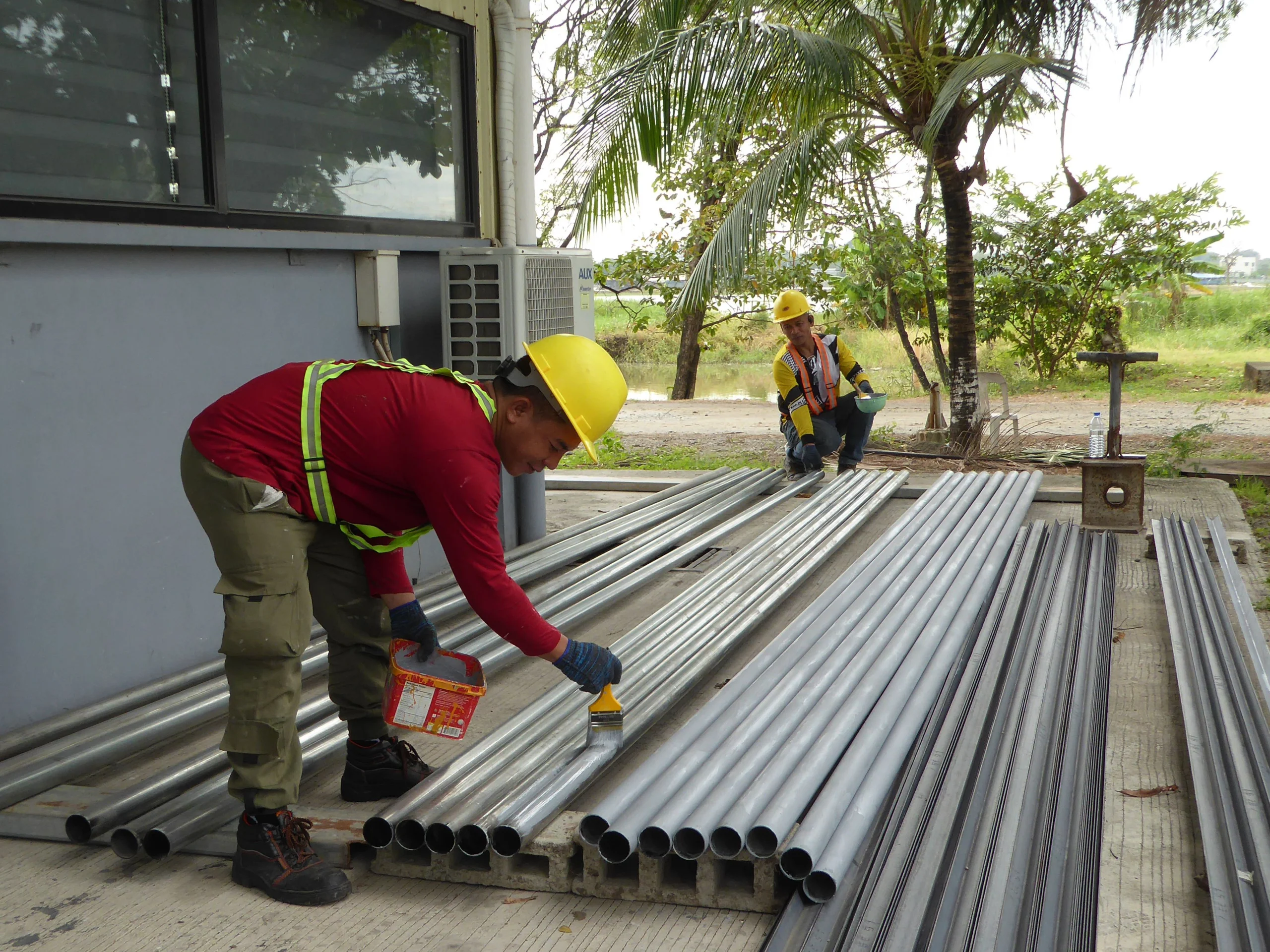
- Installation Cost: UPVC installation is fast and reliable. It uses a simple two-step primer and solvent cement process that chemically fuses the pipe and fitting4. This creates a joint that is as strong as the pipe itself, and it doesn't require electricity or expensive welding gear. This makes it much cheaper to install than metal piping systems.
- Maintenance Cost: This is where UPVC really shines. Its internal surface is incredibly smooth, which prevents scaling and buildup. This means the flow rate you get on day one is the flow rate you'll have years later. It doesn't corrode like metal, so you won't be spending money on rust-related repairs or replacements. Its durability means you can essentially install it and forget about it.
The Installation Process and Lifespan
We supply our products to over 80 countries, and one thing our distributor partners love is the simplicity of UPVC installation. A clean cut, a quick application of primer and cement, and a firm push-and-hold is all it takes. This process is so reliable that the expected lifespan of a properly installed UPVC system is well over 50 years5. I can't say the same for flexible PVC in a demanding industrial setting. Its susceptibility to UV damage, physical wear, and chemical attack means its lifespan is far less predictable and almost certainly shorter.
To simplify, here is a table comparing the long-term value:
| Aspect | UPVC | PVC (Flexible) |
|---|---|---|
| Initial Price | Moderate | Low to Moderate |
| Installation Method | Solvent Cement | Solvent Cement / Mechanical Fittings |
| Maintenance Needs | Very Low | Low (but prone to physical/UV damage) |
| Lifespan (Industrial) | 50+ years | Shorter, highly dependent on application |
| Total Cost of Ownership | Low | Moderate (due to potential replacements) |
Conclusion
For reliable and safe industrial piping, UPVC is the definitive choice over flexible PVC due to its superior strength, chemical resistance, and long-term cost-effectiveness. It is your project's foundation.If you are interested in uPVC pipes and fittings, feel free to click here to view our products.
"Polyvinyl chloride - Wikipedia", https://en.wikipedia.org/wiki/Polyvinyl_chloride. Unplasticized polyvinyl chloride (UPVC) differs from standard PVC in that it contains no plasticizing additives, resulting in a rigid polymer structure with higher tensile strength, whereas plasticized PVC incorporates phthalates or other plasticizers that increase chain mobility and flexibility. Evidence role: definition; source type: encyclopedia. Supports: the chemical composition difference between UPVC and plasticized PVC. ↩
"Recent Attempts in the Design of Efficient PVC Plasticizers ... - PMC", https://pmc.ncbi.nlm.nih.gov/articles/PMC7916570/. Phthalate esters, particularly di(2-ethylhexyl) phthalate (DEHP) and diisononyl phthalate (DINP), have historically been the most widely used plasticizers in flexible PVC applications due to their effectiveness in reducing polymer rigidity and their compatibility with the PVC matrix, though regulatory concerns have driven development of alternative plasticizers. Evidence role: definition; source type: encyclopedia. Supports: the use of phthalates as plasticizing agents in PVC. Scope note: The plasticizer market is evolving, and non-phthalate alternatives are increasingly used in certain applications ↩
"National Primary Drinking Water Regulations | US EPA", https://www.epa.gov/ground-water-and-drinking-water/national-primary-drinking-water-regulations. Water quality standards from regulatory bodies typically specify unplasticized PVC for potable water systems due to concerns about plasticizer migration, while plasticized PVC formulations are generally restricted to non-potable applications unless specifically certified for food contact. Evidence role: expert_consensus; source type: government. Supports: regulatory guidance on PVC types for potable water applications. Scope note: Regulations vary by jurisdiction and some certified flexible PVC formulations may exist for specific potable water applications ↩
"6 Steps to Properly Solvent-Weld Plastic Pipe and Fittings", https://www.charlottepipe.com/articles/solvent-welding-how-to-join-plastic-pipe-and-fittings-like-a-pro. Solvent cement joining of PVC involves the application of a solvent that temporarily softens the polymer surface, allowing polymer chains from the pipe and fitting to interdiffuse and entangle; upon solvent evaporation, the chains solidify into a homogeneous joint with strength approaching that of the parent material. Evidence role: mechanism; source type: education. Supports: the chemical bonding mechanism of solvent cement joining. ↩
""PVC Pipe Longevity Report: Affordability and the 100+ Year ...", https://digitalcommons.usu.edu/mae_facpub/170/. Long-term performance studies and extrapolations from accelerated aging tests suggest that UPVC pipes in potable water service can achieve service lives of 50-100 years under normal operating conditions, with actual lifespan dependent on installation quality, operating pressure, temperature, and environmental factors. Evidence role: general_support; source type: research. Supports: the long-term durability of UPVC piping systems. Scope note: Projected lifespans are based on modeling and relatively limited field data for systems older than 50 years ↩