Ductile iron pipe vs HDPE pipe is a critical comparison for water supply projects because the wrong choice can raise installation, maintenance, and lifecycle costs. Pipe strength alone does not determine system performance. Engineers and buyers must also consider soil support, corrosion exposure, operating pressure, joint design, installation conditions, and long-term maintenance.
Ductile iron pipe is often better for high-pressure service, large diameters, and sites that require high ring stiffness.1 HDPE pipe is usually better when corrosion resistance, flexibility, leak-resistant fused joints, and trenchless installation are priorities. The best choice depends on soil conditions, water chemistry, pressure transients, installation methods, project budget, and lifecycle cost.
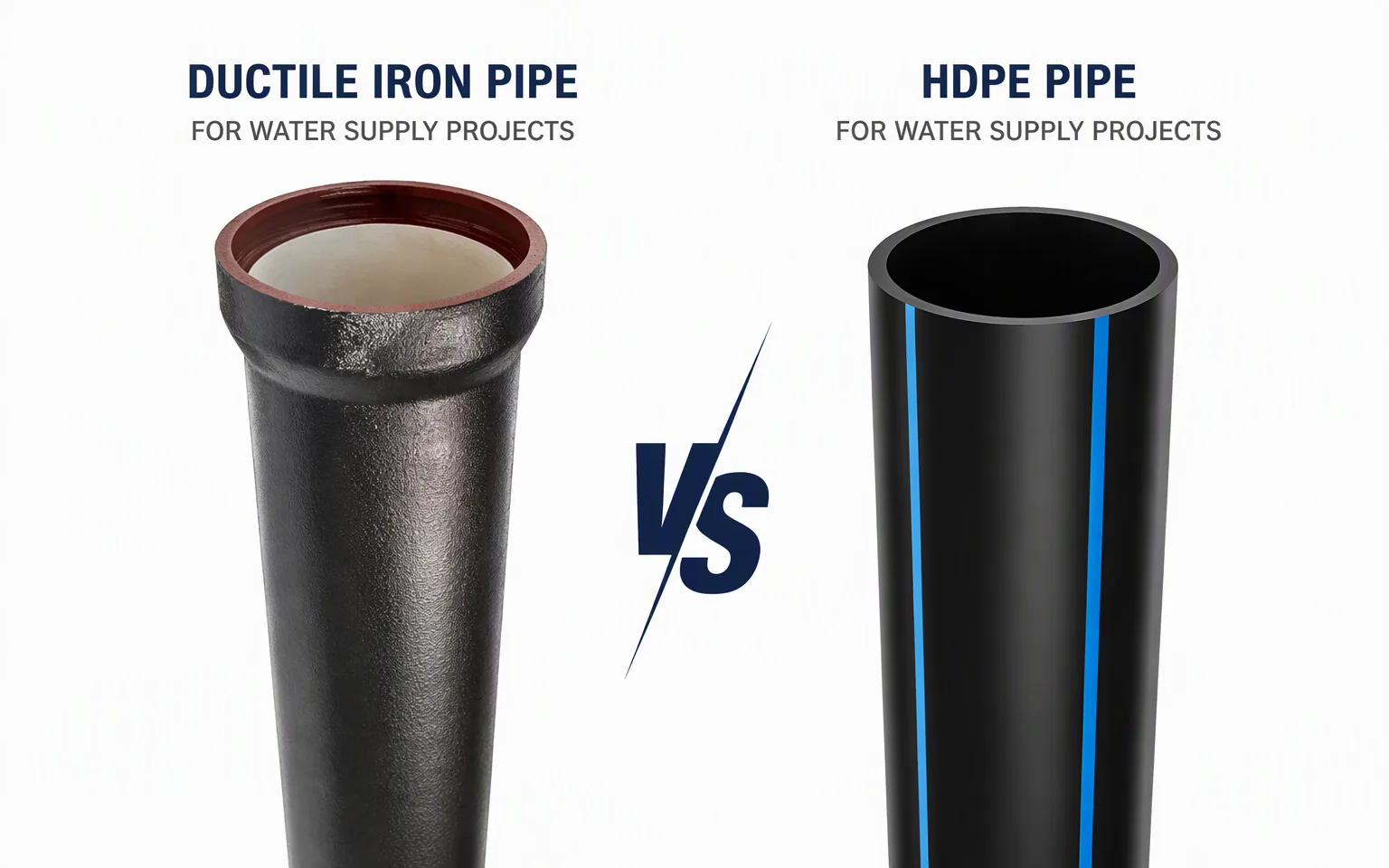
I often see purchasing teams begin with a simple assumption: ductile iron is stronger, so it must be the safer pipe. That assumption only tells part of the story. A buried pipeline works together with its surrounding soil, joints, fittings, valves, and restraints. The following comparisons show how to evaluate the complete system.
How Does Ductile Iron Pipe vs HDPE Pipe Compare Structurally?
Structural strength creates an immediate procurement challenge. Ductile iron has much higher material stiffness than polyethylene, which makes it appear superior on a data sheet. However, buried HDPE uses controlled deformation and surrounding soil support2. If buyers compare only standalone pipe properties, they may specify the wrong installation system.
Ductile iron behaves as a relatively rigid pipe and resists external loads primarily through pipe-wall strength and ring stiffness. HDPE behaves as a flexible pipe that transfers part of the external load into properly compacted embedment soil. Both can perform reliably, but they require different structural calculations, bedding controls, and installation inspections.
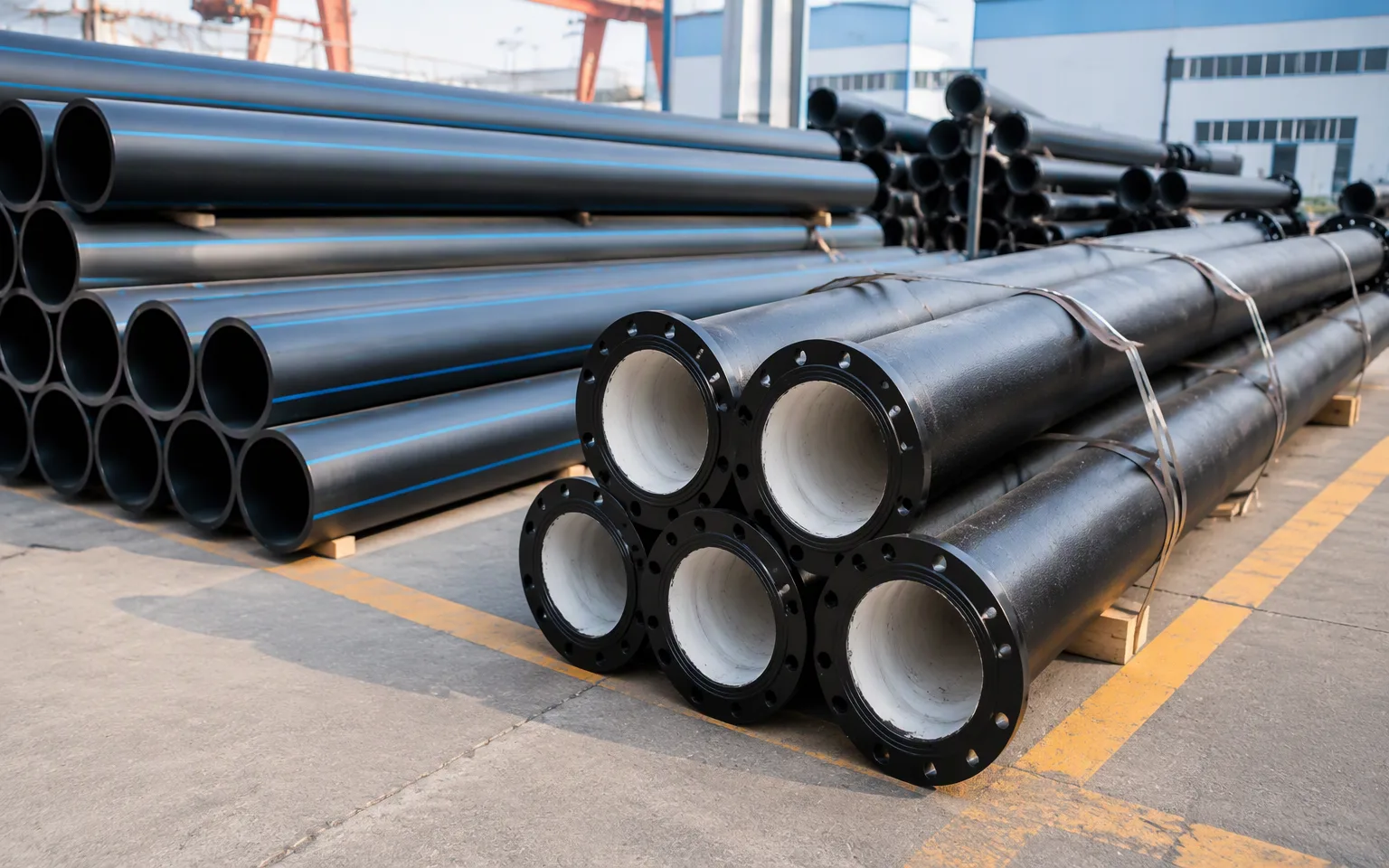
Rigid and flexible pipes carry loads differently
A water pipeline is not simply a row of individual pipe sections. The pipe and surrounding soil form an integrated structure. This principle is especially important for HDPE because the pipe is designed to deform slightly under load and mobilize passive resistance from the sidefill.
Ductile iron pipe generally tolerates variable field conditions well because of its high stiffness. It can bridge small areas of inconsistent support better than many flexible pipes. However, point loading, poor bedding, aggressive soil, and inadequate joint restraint can still cause failures.
HDPE depends more heavily on:
- Correct embedment material
- Uniform bedding support
- Controlled lift thickness
- Proper sidefill compaction
- Acceptable installed deflection
- Protection from sharp rocks and construction damage
The required compaction level must come from the project engineer. It should reflect soil classification, burial depth, groundwater, traffic loading, pipe diameter, and diameter-to-wall ratio.
Pressure and external load are separate questions
Buyers should not treat pressure rating and ring stiffness as the same performance measure. Internal pressure relates to wall stress, material strength, temperature, and the pipe’s dimension ratio. External load performance relates to burial depth, soil modulus, live load, groundwater, and buckling resistance.
For HDPE, specifications commonly identify the pipe by standard dimension ratio, such as DR 11 or DR 17. A lower DR means a thicker wall relative to the outside diameter.3 However, a pressure class cannot be selected from DR alone. The designer must also confirm the resin classification, design factor, operating temperature, surge conditions, and applicable standard.
Ductile iron pipe may be specified by pressure class, thickness class, or a regional standard. Common references include:
| Pipe material | Common standards buyers may encounter | Main evaluation areas |
|---|---|---|
| Ductile iron | ISO 2531, EN 545, AWWA C151 | Wall thickness, pressure class, lining, external protection, joint type |
| HDPE | ISO 4427, EN 12201, AWWA C906 | Resin grade, DR, pressure rating, fusion procedure, temperature derating |
Buyers should verify the latest standard editions and local regulatory requirements. A qualified pipeline engineer should calculate both operating pressure and transient pressure rather than relying on a supplier’s nominal rating.
I once reviewed a project comparison in which HDPE was rejected because it had lower stiffness. The original table did not include soil support, installed deflection, or trench conditions. Once those factors were added, the decision became much less obvious.
Which Material Offers Better Corrosion Resistance?
Corrosion can quietly turn a competitive pipe quotation into an expensive maintenance problem. Ductile iron systems may require internal linings and external protection, while HDPE does not rust. However, chemical compatibility, permeation risk, disinfectant exposure, and fitting materials still need careful review before HDPE is selected.
HDPE generally offers better inherent resistance to soil corrosion and many waterborne chemicals because it is nonmetallic. Ductile iron can provide long service when buyers specify appropriate cement mortar or specialty linings, zinc coatings, polyethylene encasement, and other protection. Site-specific soil and water analysis should guide the final protection system.
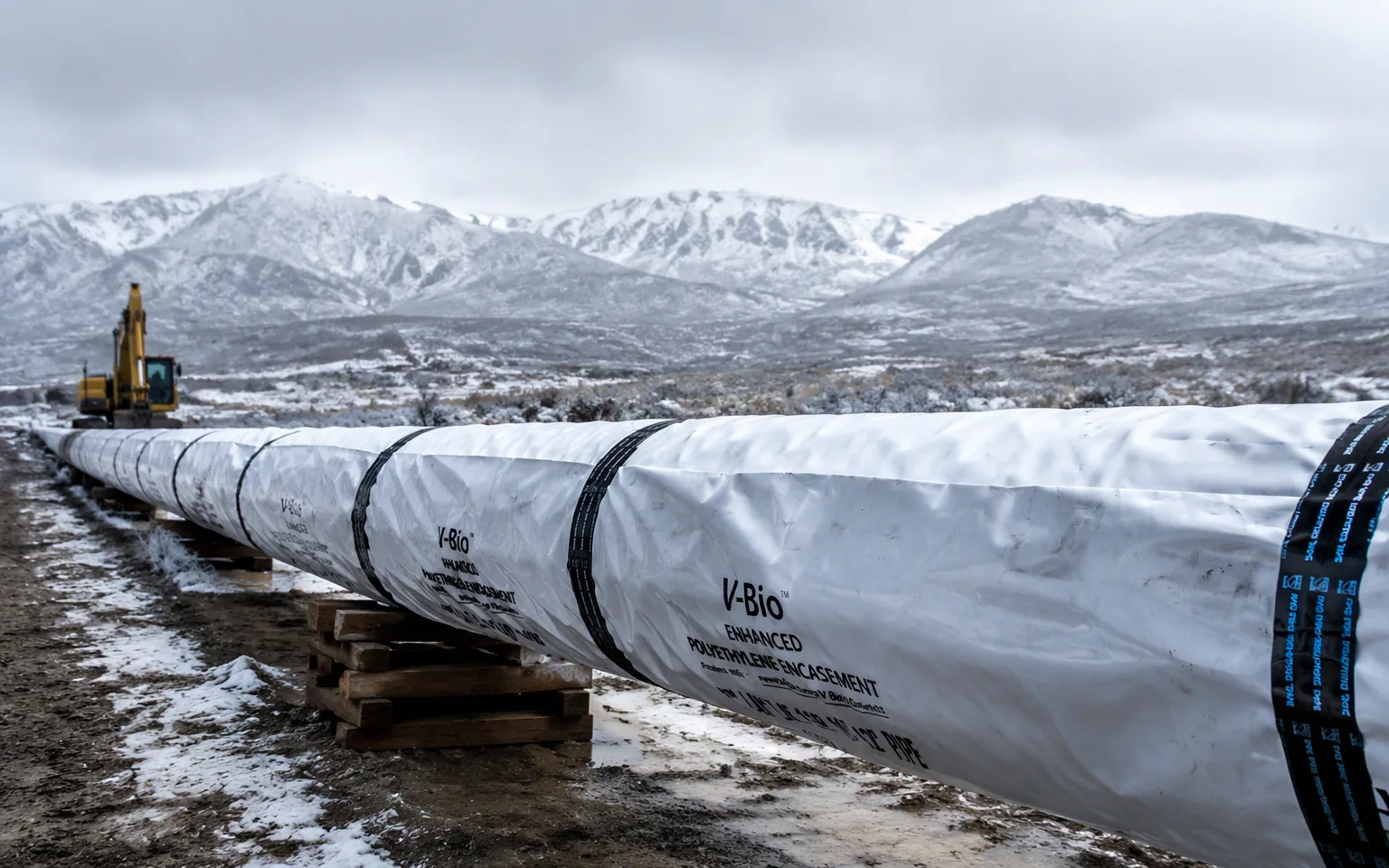
Ductile iron relies on a protection system
Ductile iron is not normally evaluated as bare metal alone. A complete specification may include:
- An internal cement mortar lining
- A seal coat where permitted
- A zinc or zinc-alloy external coating
- A finishing layer
- Polyethylene encasement
- Dielectric isolation at selected connections
- Specialty linings for aggressive water
Buyers should request documents that identify the exact lining and coating rather than accepting a general statement such as “corrosion protected.” They should also confirm coating thickness, repair procedures, holiday testing requirements where applicable, and compatibility with potable water regulations.
Aggressive soils can contain chlorides, sulfates, low resistivity, stray electrical currents, or acidic conditions. These variables can increase corrosion risk. Soil tests and local utility experience often provide more useful information than a general material comparison.
HDPE does not rust, but compatibility still matters
HDPE avoids electrochemical corrosion and tuberculation. Its smooth internal surface can also help preserve hydraulic performance. Designers often use a high Hazen-Williams coefficient for new polyethylene pipe, but the chosen value must follow the governing design method and utility practice.
HDPE still has limitations. Buyers should investigate:
- Oxidant exposure: Continuous disinfectant concentration, water temperature, and pressure can influence long-term performance.4
- Hydrocarbon-contaminated soil: Certain organic compounds can permeate some plastic pipes.5
- Chemical concentration: Compatibility depends on the actual chemical, concentration, temperature, and exposure duration.
- Ultraviolet exposure: Above-ground storage and service may require controlled handling and UV-stabilized material.
- Fittings and valves: Metal components can remain vulnerable even when the main pipe is nonmetallic.
For potable water projects, I recommend requesting current evidence of compliance with the local drinking-water contact standard. A CE marking, ISO 9001 certificate, or third-party test report does not automatically establish potable-water approval. Buyers should verify the certificate holder, product scope, standard, test date, issuing body, and validity.
In our manufacturing context, we apply the same document-control principle to plastic valves and fittings. We do not assume that a material certificate for resin proves the performance of a finished valve. Finished-product pressure testing, dimensional inspection, batch traceability, and seal verification remain necessary.
How Do Ductile Iron Pipe vs HDPE Pipe Compare During Installation?
Installation can outweigh the pipe purchase price, especially in congested cities, unstable ground, or remote project locations. Heavy pipe may need larger lifting equipment, while fusion work requires trained technicians and controlled procedures. If procurement compares only the price per meter, the project may overlook its largest practical costs.
HDPE is lightweight, flexible, and suitable for long fused strings, directional drilling, sliplining, and some difficult alignments. Ductile iron provides high stiffness and familiar push-on or mechanical joint systems, but it normally requires more lifting and more individual joints. The faster option depends on site access and crew capability.
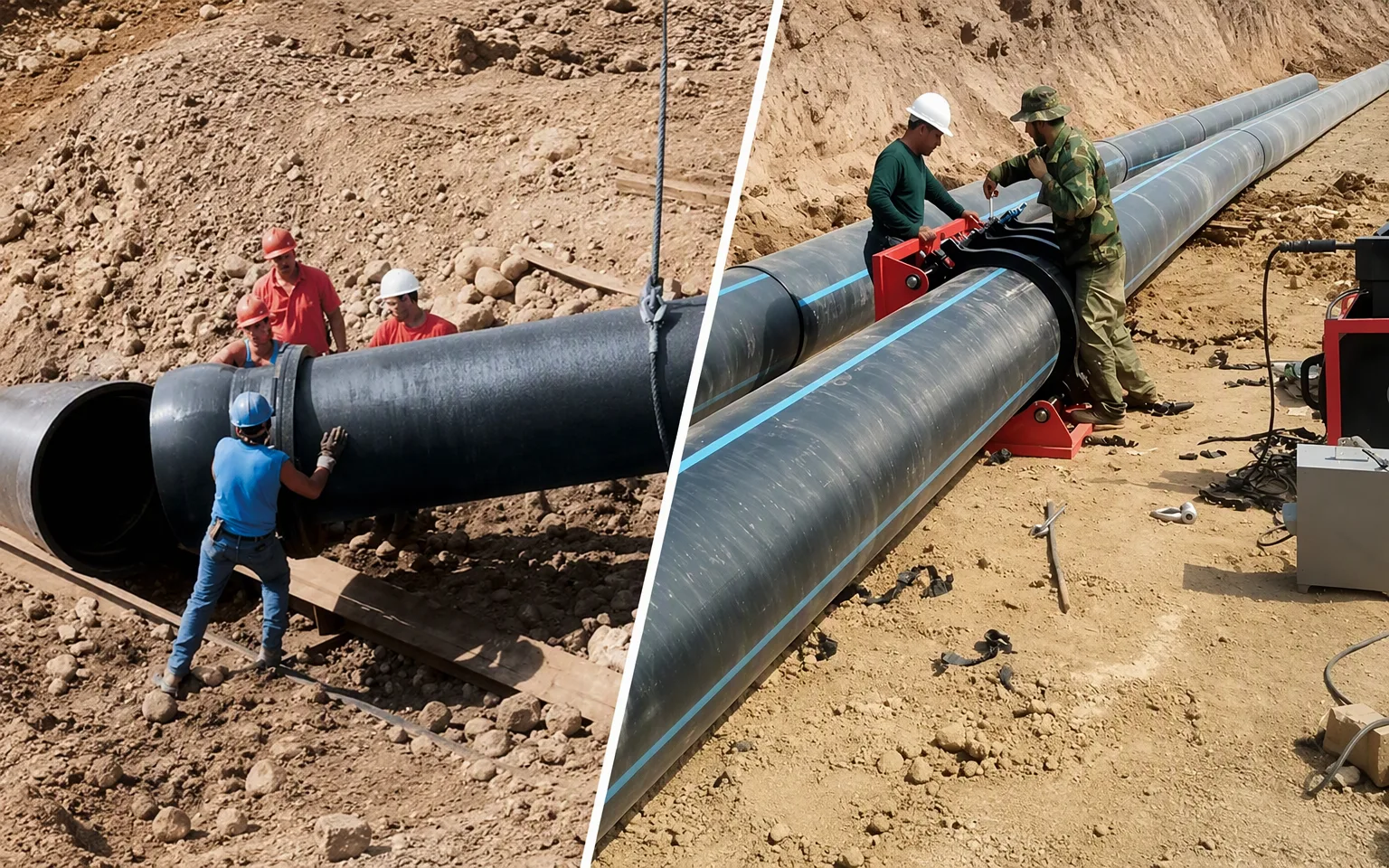
Weight, handling, and trench layout
HDPE generally requires less lifting capacity than ductile iron of a comparable outside diameter. Contractors can often assemble long strings above the trench, which reduces the number of in-trench jointing operations. The pipe can also accommodate gradual alignment changes, subject to the manufacturer’s minimum bend radius.
Minimum bend radius is not universal. Depending on DR, temperature, fitting locations, and whether the pipe is under pullback load, allowable values may differ significantly. Values around 20 to 30 times the pipe outside diameter are sometimes used as preliminary guidance, but buyers must obtain the approved value for the specific pipe and installation method.
Ductile iron commonly arrives in shorter straight lengths. This configuration creates more joints, but crews can install push-on joints quickly when the trench is accessible and properly prepared. The pipe’s stiffness also helps maintain grade and alignment.
Joint quality changes the risk profile
Butt fusion can create an HDPE joint with a continuous, restrained flow path. Its quality depends on:
- Heater plate temperature
- Facing and alignment
- Interfacial pressure
- Heating and cooling time
- Equipment calibration
- Operator qualification
- Weather protection
- Fusion data recording
The project should have a written fusion procedure based on the applicable standard and pipe manufacturer’s instructions. Buyers should also define inspection and record-retention requirements before work begins.
Ductile iron systems can use push-on, mechanical, flanged, or restrained joints. Standard gasketed joints may not resist longitudinal thrust unless a restrained design is specified.6 Engineers may use restrained joints, thrust blocks, tie rods, or other systems at bends, tees, reducers, valves, and dead ends.
| Installation issue | Ductile iron pipe | HDPE pipe |
|---|---|---|
| Handling | Heavier; often needs more lifting equipment | Lighter; long strings may need coordinated handling |
| Jointing | Push-on, mechanical, flanged, or restrained | Butt fusion, electrofusion, mechanical transitions |
| Trenchless work | Possible in selected applications | Often well suited to HDD and sliplining |
| Direction changes | Fittings or limited joint deflection | Gradual bending plus molded or fabricated fittings |
| Thrust control | Restraints or thrust blocks often required | Fused system is longitudinally restrained |
| Field quality risk | Gasket, insertion, coating, and restraint errors | Fusion, gouging, ovality, and cooling-time errors |
HDPE also has a relatively high thermal expansion coefficient. It is commonly around an order of magnitude greater than that of ductile iron. Above-ground systems, exposed strings, and constrained transitions therefore need thermal movement analysis.
I have found that field capability is often more important than theoretical installation speed. A skilled fusion crew with calibrated equipment can achieve excellent productivity. An inexperienced crew can create hidden joint risks. The same principle applies to gasket cleaning and joint insertion in ductile iron systems.
How Should Buyers Evaluate Ductile Iron Pipe vs HDPE Pipe Suppliers?
Material selection can fail when supplier evaluation stops at the quotation. A low-priced pipe may arrive without traceable resin records, verified dimensions, coating documentation, or qualified jointing support. These omissions can delay acceptance and transfer avoidable risk to the contractor, distributor, or project owner.
Buyers should evaluate suppliers through a documented technical and commercial process. The review should cover applicable standards, raw materials, dimensions, pressure testing, joint compatibility, traceability, production capacity, inspection records, delivery performance, and technical support. Project-specific samples and third-party inspection can reduce risk before mass production or shipment.
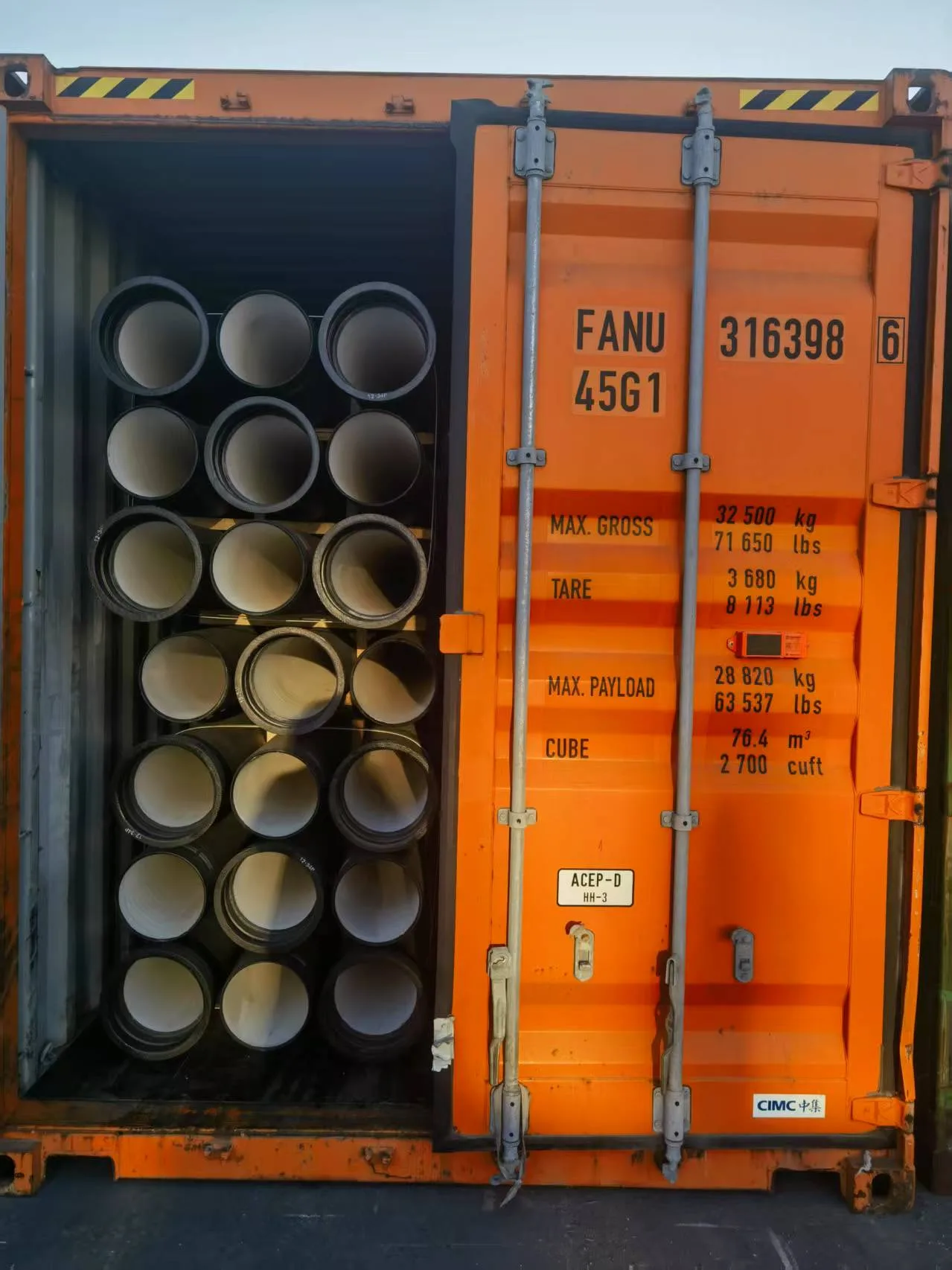
Build a project-specific technical data sheet
A clear request for quotation should state more than material and diameter. I suggest including the following information:
- Applicable product standard and edition
- Nominal diameter and required inside or outside diameter
- Operating, test, and surge pressures
- Water temperature and ambient temperature range
- Burial depth and external loading
- Soil and groundwater conditions
- Potable-water approval requirements
- Required joint and restraint systems
- Lining, coating, or encasement requirements
- Inspection, testing, marking, and documentation requirements
- Fitting, flange, valve, and transition details
- Packing and delivery conditions
HDPE buyers should verify resin designation, compound source, melt flow data where relevant, carbon black dispersion, oxidation induction testing if required, dimensions, ovality, and marking. Reprocessed material restrictions should be explicit. The governing standard and project specification should define whether any rework or recycled content is acceptable.
Ductile iron buyers should check metal composition controls, wall thickness, mechanical properties, dimensional tolerances, socket and spigot geometry, gasket specifications, lining condition, coating application, and hydrostatic test records.
Compare total installed and lifecycle costs
The lowest pipe price rarely represents the lowest project cost. A useful bid comparison should include:
| Cost category | Questions to ask |
|---|---|
| Pipe and fittings | Are all fittings, couplings, restraints, and adapters included? |
| Installation | What labor, lifting, fusion, bedding, and trench width are required? |
| Testing | Who supplies test equipment and repairs failed sections? |
| Corrosion protection | Are linings, coatings, wrapping, and inspection included? |
| Hydraulic performance | Does the selected internal diameter affect pumping energy? |
| Maintenance | What repair tools, spare parts, and technician skills are needed? |
| Delivery risk | Can the supplier meet phased delivery dates and replacement needs? |
HDPE is sold by outside diameter in many standards. A thick wall can reduce internal flow area. Ductile iron sizing conventions differ. Therefore, buyers should compare actual inside diameters, velocity, head loss, and energy consumption rather than nominal sizes alone.
Verify certificates instead of collecting logos
ISO 9001 can indicate that a manufacturer operates a documented quality management system. It does not prove that every shipment meets a project’s technical requirements. CE documentation, SGS reports, BV inspection records, and other certificates also have defined scopes.
Buyers should verify:
- The legal name and address of the certificate holder
- The products and manufacturing site covered
- The issuing or inspection organization
- The standard and report number
- The certificate’s issue and expiry dates
- Whether the document is a test report, inspection report, or system certificate
- Whether the tested sample matches the ordered product
Our own plastic valve and fitting production uses 100% virgin material, extensive pressure testing, and controlled OEM marking. However, I still encourage buyers to specify acceptance criteria and review batch documents. A credible supplier should welcome reasonable verification rather than relying on marketing claims.
Frequently Asked Questions
Is HDPE stronger than ductile iron pipe?
HDPE is not stronger or stiffer than ductile iron when the materials are compared independently. Its advantage comes from flexibility, fused joints, corrosion resistance, and interaction with properly compacted soil. Ductile iron has much higher material stiffness and can be advantageous where external loads, high pressures, or difficult bedding conditions dominate.
Which pipe lasts longer in water supply service?
Both materials can provide long service when they are correctly designed, manufactured, installed, and operated. HDPE avoids rust but requires suitable resin, fusion quality, and chemical compatibility. Ductile iron requires an appropriate lining and external corrosion protection. Buyers should evaluate local soil, water chemistry, pressure cycling, and maintenance practices.
Is HDPE always cheaper than ductile iron pipe?
No. HDPE may reduce handling, jointing, corrosion protection, and trenchless installation costs. However, large fittings, fusion equipment, thicker walls, specialized crews, and transition assemblies can raise costs. Buyers should compare total installed cost and lifecycle cost rather than pipe price per meter.
Can HDPE connect directly to ductile iron valves and fittings?
HDPE can connect to ductile iron components through engineered flange adapters, mechanical couplings, transition fittings, or restrained assemblies. The designer must check outside diameters, pressure ratings, flange drilling, gasket materials, pullout restraint, thermal movement, and thrust. Generic couplings should not be assumed to provide axial restraint.
Which pipe is better for unstable or seismic ground?
HDPE often performs well where settlement, ground movement, or seismic deformation is expected because it is flexible and its fused joints can form a continuous restrained system. However, excessive strain, poor embedment, and rigid transitions remain risks. A geotechnical and pipeline engineer should design the system for anticipated ground displacement.
Conclusion
The ductile iron pipe vs HDPE pipe decision should not rest on strength or unit price alone. Ductile iron offers high stiffness, strong pressure capability, and tolerance for many conventional installation conditions. HDPE offers corrosion resistance, flexibility, fused joints, and strong trenchless potential. The right choice depends on soil support, water chemistry, pressure surges, internal diameter, installation skill, and lifecycle cost.
If your project also requires corrosion-resistant plastic valves, fittings, OEM marking, or compatible flow-control components, contact our team to review the material, pressure class, connection standard, testing documents, and delivery requirements with your qualified project engineer.
"Chapter 8 Pipe Classifications and Materials", https://wsdot.wa.gov/publications/manuals/fulltext/m23-03/chapter8.pdf. A waterworks standards source describes ductile iron pressure pipe as a high-stiffness metallic pipe manufactured in defined pressure or thickness classes for water transmission and distribution, supporting its common use in high-pressure and large-diameter applications. Evidence role: general_support; source type: institution. Supports: A standards or engineering source should support that ductile iron pipe is commonly specified in pressure classes and diameters suitable for high-pressure water mains and has high stiffness relative to flexible plastic pipe.. Scope note: This would provide contextual support for typical suitability, not prove that ductile iron is best for every high-pressure or large-diameter project. ↩
"Analysis Procedures for Evaluating Superheavy Load ...", https://www.fhwa.dot.gov/publications/research/infrastructure/pavements/18056/18056.pdf. Buried flexible-pipe design guidance explains that flexible pipes carry external loads through pipe deflection and soil-structure interaction, with compacted sidefill providing essential lateral support. Evidence role: mechanism; source type: government. Supports: The source should explain that flexible buried pipes deflect under load and rely on sidefill or embedment soil stiffness to resist external loading.. ↩
"Guide to Standard Dimension Ratio (SDR)", https://www.wlplastics.com/news/guide-to-standard-dimension-ratio-sdr. Pipe standards define dimension ratio as the ratio of pipe outside diameter to wall thickness; consequently, for the same outside diameter, a lower DR denotes a thicker wall. Evidence role: definition; source type: institution. Supports: The source should define dimension ratio as outside diameter divided by minimum wall thickness, from which lower DR corresponds to a thicker wall.. ↩
"(PDF) Deterioration of polyethylene pipes exposed to water ...", https://www.academia.edu/97670847/Deterioration_of_polyethylene_pipes_exposed_to_water_containing_chlorine_dioxide. Studies of polyethylene pipe in chlorinated potable-water environments show that disinfectant exposure, temperature, pressure, and time are variables considered in oxidative degradation and service-life assessment. Evidence role: mechanism; source type: paper. Supports: The source should support that oxidative disinfectants, temperature, pressure, and exposure time can influence degradation or lifetime predictions for polyethylene pipe.. Scope note: The evidence would indicate relevant degradation mechanisms and variables, not predict the service life of a specific pipe without its resin formulation and operating conditions. ↩
"Permeation & Leaching", https://www.epa.gov/sites/default/files/2015-09/documents/permeationandleaching.pdf. Drinking-water infrastructure guidance notes that certain organic contaminants in soil or groundwater can permeate some plastic piping materials, requiring site-specific evaluation in contaminated areas. Evidence role: mechanism; source type: government. Supports: The source should document that organic chemicals, especially hydrocarbons or solvents in contaminated soil, may permeate some plastic drinking-water pipes.. Scope note: The risk varies by compound, concentration, pipe material, wall thickness, exposure time, and operating conditions. ↩
"Thrust Restraint Design for Ductile Iron Pipe Seventh Edition", https://dipra.org/wp-content/uploads/2025/02/Thrust-Restraint-Design-for-Ductile-Iron-Pipe-English.pdf. Water-main design manuals explain that unbalanced hydraulic thrust develops at bends, tees, reducers, valves, and dead ends, and that ordinary gasketed joints require thrust blocks, restrained joints, or equivalent restraint where such forces must be resisted. Evidence role: mechanism; source type: institution. Supports: The source should explain that internal pressure creates unbalanced thrust at fittings and appurtenances and that unrestrained gasketed joints require thrust blocks or restrained joints where thrust occurs.. ↩